
In-Depth Analysis of the Advantages and Disadvantages Between Nitrogen Generators and Bottled Liquid Nitrogen
Many manufacturing plants still rely on bottled or bulk liquid nitrogen as their primary gas source. But a growing number of industrial operators are switching to on-site PSA nitrogen generation. This article provides a fact-based comparison across seven key dimensions to help you evaluate which supply method fits your production profile.
1. Two Supply Models – How They Work
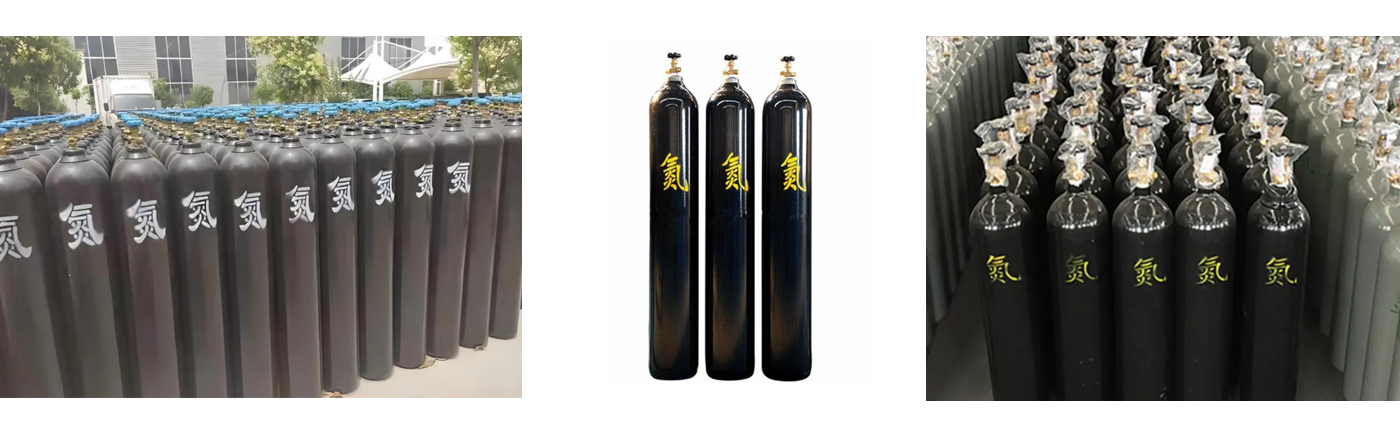
Liquid nitrogen (LN₂) supply You purchase cryogenic liquid nitrogen from a gas supplier, delivered in cylinders or vacuum-insulated tanks. The liquid is vaporized on-site before entering your pipeline. This model is essentially buying ready-made gas – you pay per unit of weight or volume.
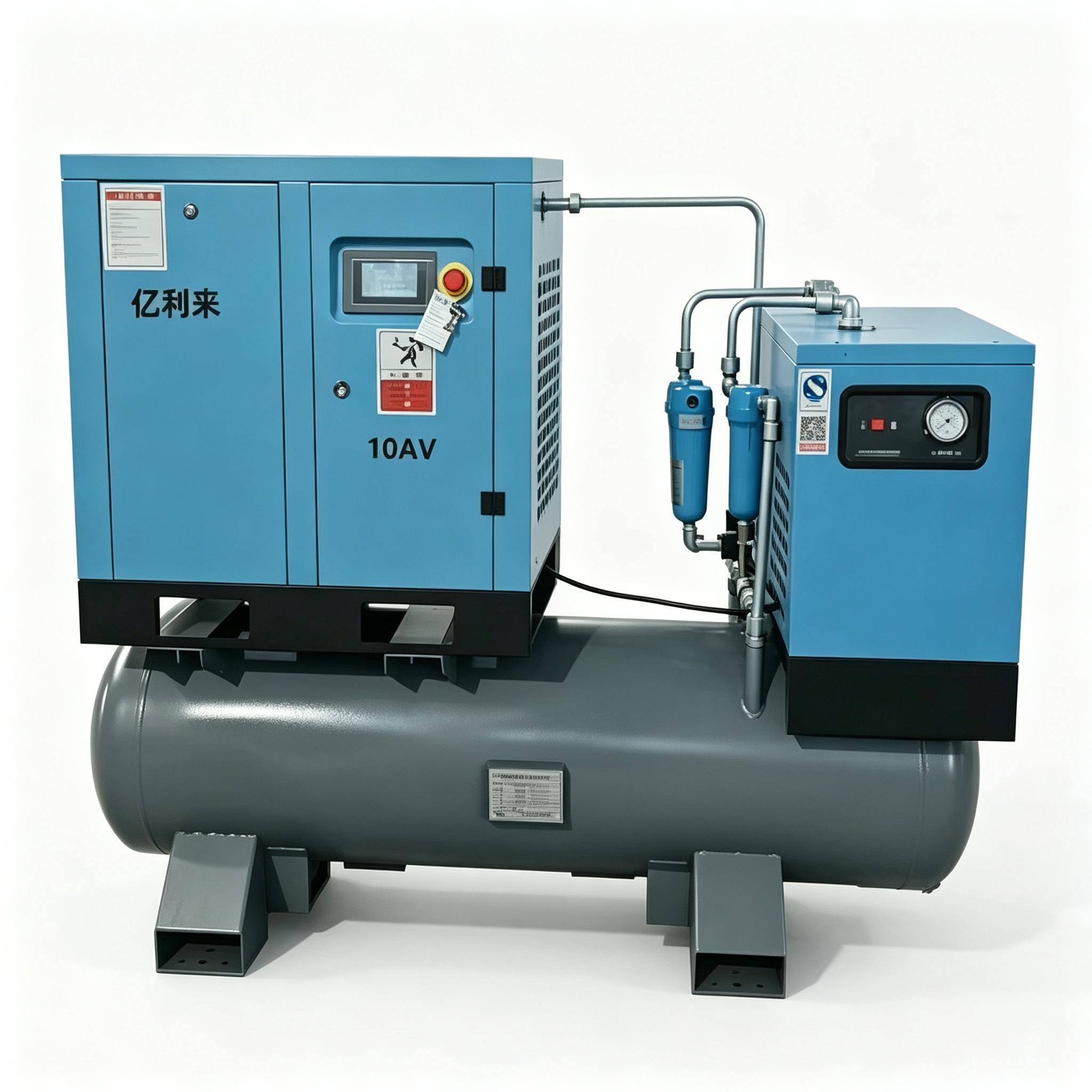
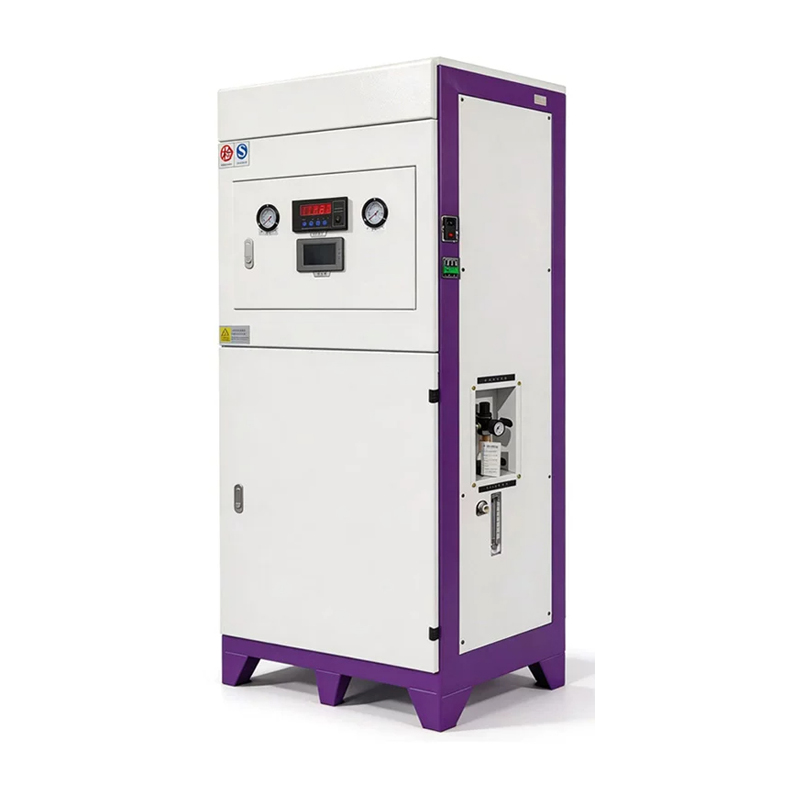
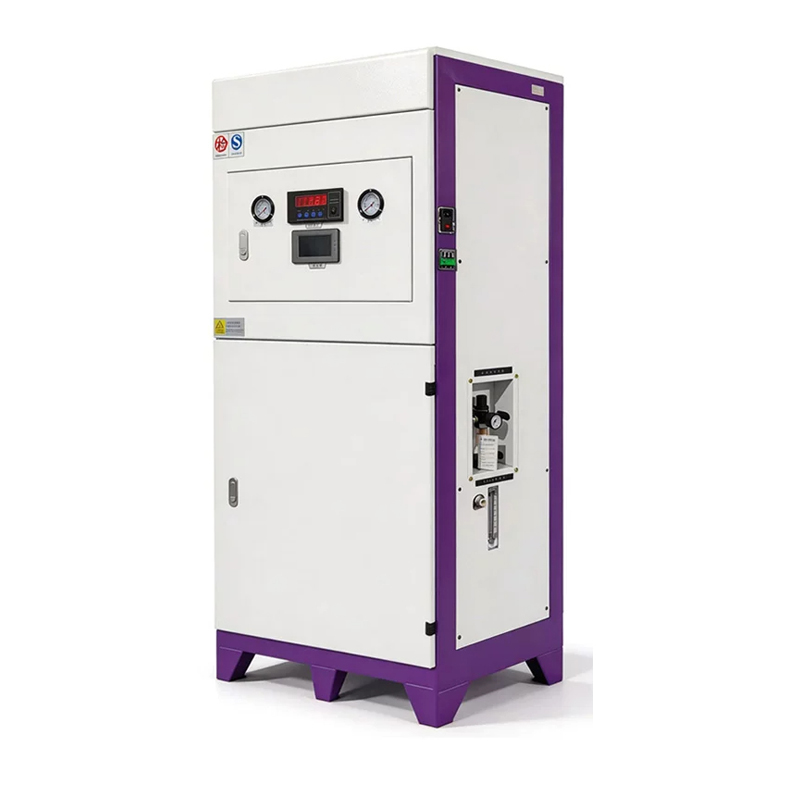
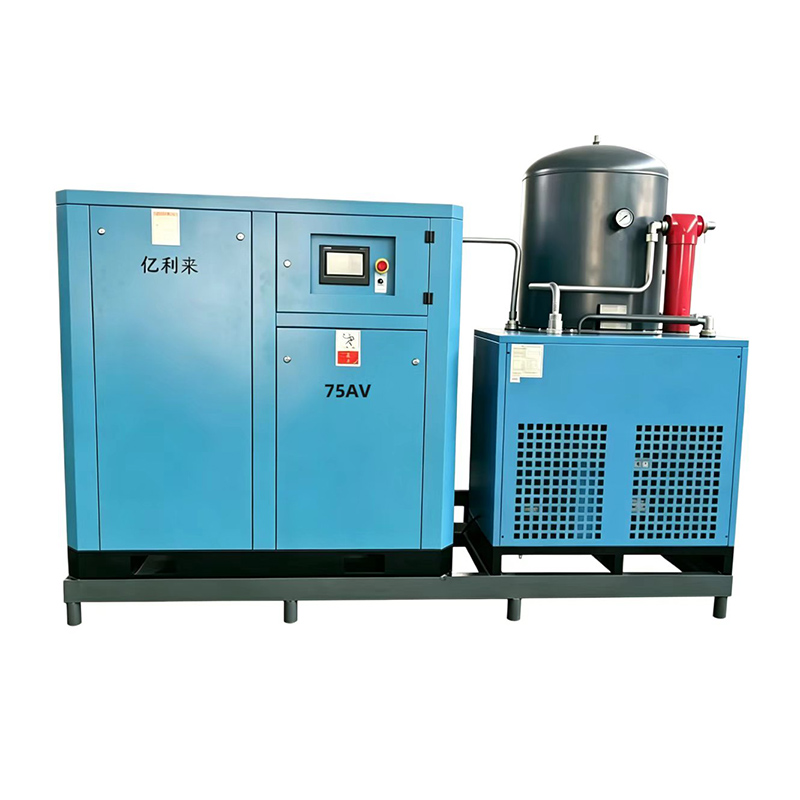
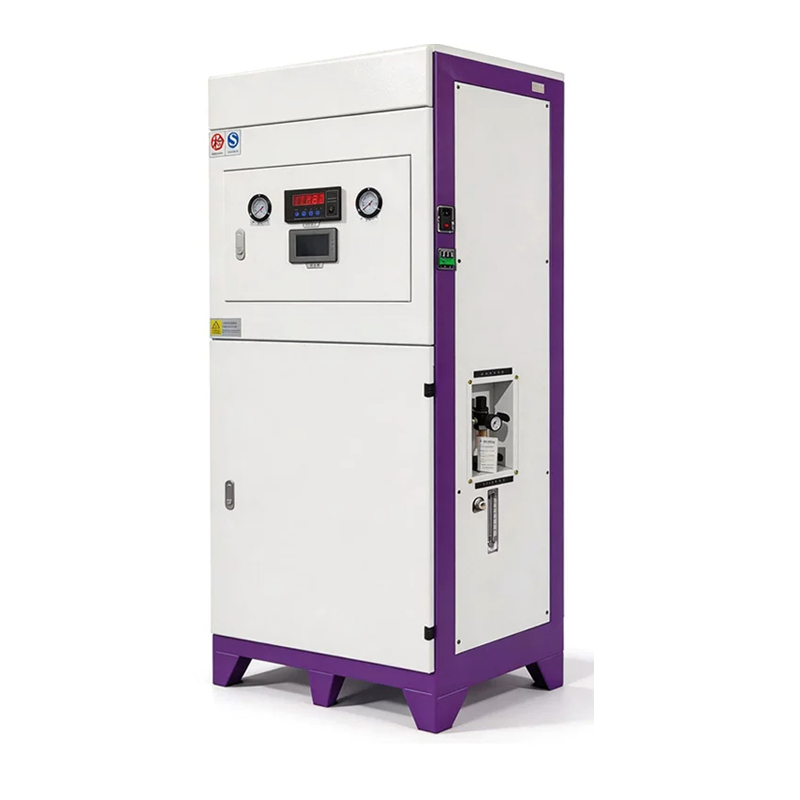
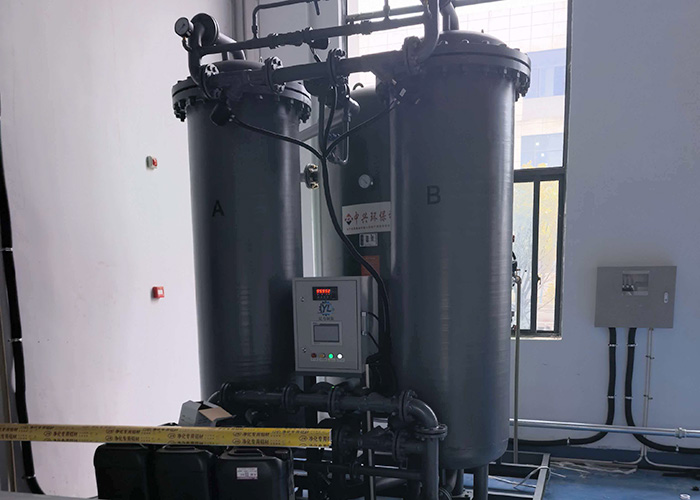
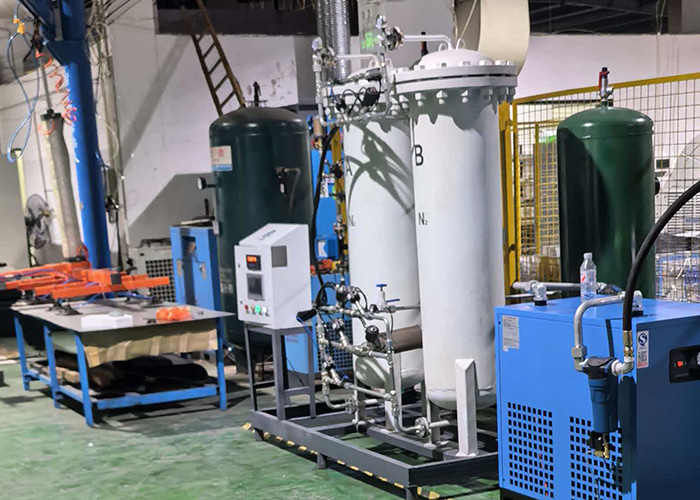
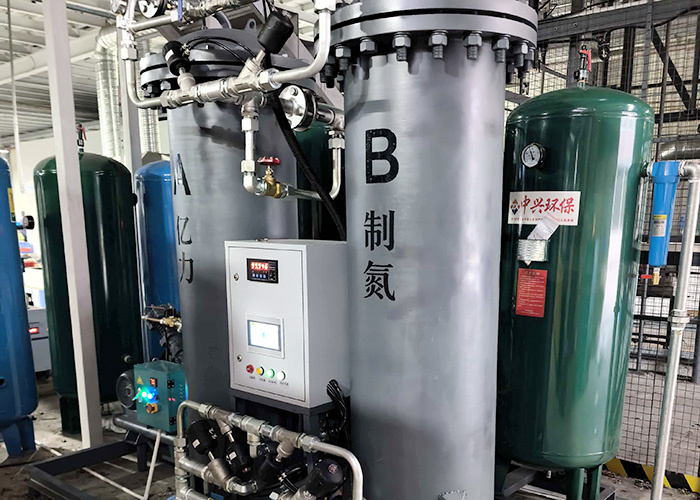
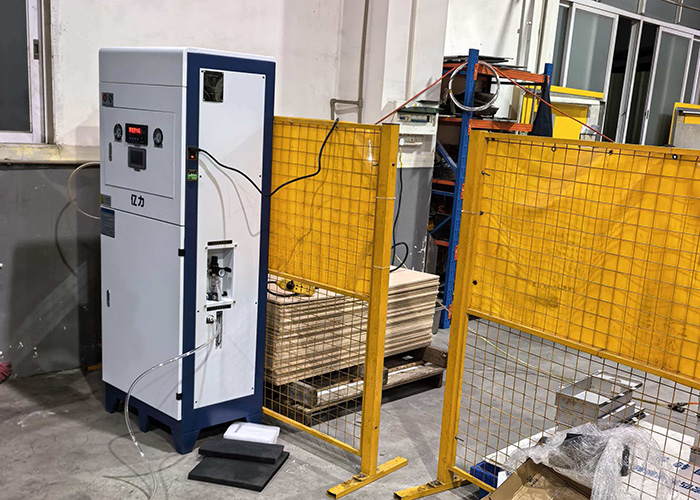
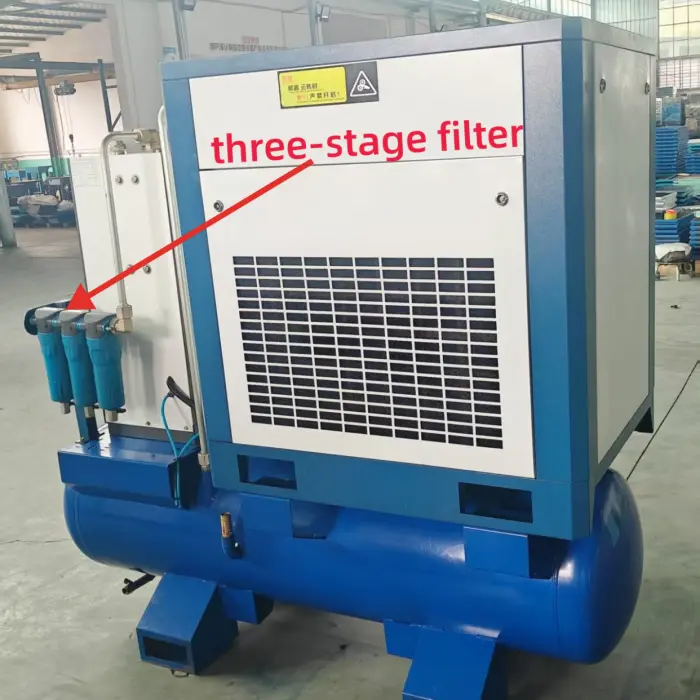
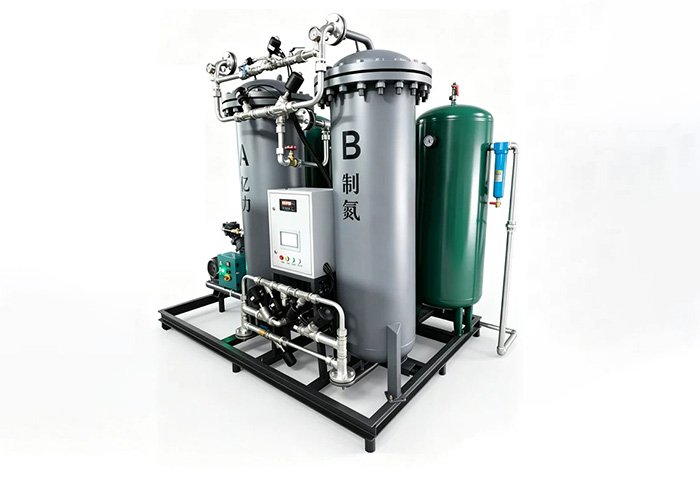
On-site PSA nitrogen generator Compressed air is passed through carbon molecular sieves that adsorb oxygen preferentially, producing nitrogen at ambient temperature and low pressure. The complete system includes an air compressor, dryer, filtration pack, PSA module, and buffer tank. You produce your own gas using only electricity and routine consumables.
2. Seven-Dimension Comparative Analysis
2.1 Total Cost – Short-Term vs. Long-Term
|
Cost Component |
PSA On-Site Generator |
Liquid Nitrogen Supply |
|
Initial capital |
Higher (equipment purchase) |
Lower (only tank/vaporizer) |
|
Unit gas cost |
Low (electricity + filter changes) |
High (product + transport + service fees) |
|
Evaporation loss |
None – gas used as generated |
0.1%–0.5% daily boil-off, even when idle |
|
Price volatility |
Stable (electricity tariffs) |
Subject to market, oil prices, seasonality |
|
Payback period |
Typically 1–2 years for continuous users |
Not applicable – ongoing expense |
Key takeaway: For stable, high-volume users, the total cost of ownership with a PSA generator is often 50%–70% lower than liquid nitrogen over a 5-year horizon. Boil-off loss becomes particularly significant for intermittent usage.
2.2 Supply Reliability – Self-Sufficiency vs. Logistics Dependency
PSA generators run 24/7 under PLC control, delivering constant pressure and purity. They are unaffected by supplier schedules, weather, holidays, or traffic disruptions. An integrated buffer tank handles peak demand swings.
Liquid nitrogen depends on timely deliveries. Delays occur during peak seasons, bad weather, or transport restrictions. Pressure and purity can fluctuate when swapping cylinders or refilling the tank, and air ingress during changeover may reduce purity at the point of use.
Key takeaway: Processes that cannot tolerate interruptions – such as laser welding, SMT reflow soldering, food MAP, or additive manufacturing – benefit significantly from on-site generation.
2.3 Safety – Ambient Operation vs. Cryogenic Hazard
PSA systems operate at ambient temperature and low pressure; they are not classified as pressure vessels or dangerous goods. No risk of cryogenic burns or high-pressure explosion. Nitrogen is produced and consumed immediately, requiring no bulk storage. Regulatory compliance is straightforward.
Liquid nitrogen is stored at –196°C and classified as a cryogenic hazardous material. Cylinders and tanks are pressure vessels requiring periodic inspection. Large-volume storage poses asphyxiation risks – nitrogen is odourless and colourless, so leaks are hard to detect. Dedicated storage areas, safety protocols, and trained personnel are mandatory.
Key takeaway: For facilities under strict safety regulations, eliminating cryogenic storage significantly reduces administrative and operational risk.
2.4 Operational Flexibility – Adjustable vs. Fixed Output
PSA generators allow on-demand start/stop, automatic load following, and adjustable purity (95%–99.999%) and pressure. Future capacity expansions can be achieved by adding modules or parallel units. Systems run unattended, matching shift schedules.
Liquid nitrogen offers fixed purity grades and fixed tank capacity. Temporary high-demand peaks may exceed available supply. Scaling up requires replacing the tank – a lengthy and costly process. Manual monitoring of remaining stock and order placement are necessary.
2.5 Management Workload – Automated vs. Manual Coordination
PSA uses PLC automation with remote monitoring capability. Routine maintenance involves periodic filter changes and molecular sieve checks – no dedicated operator needed. No supplier liaison, ordering, delivery follow-up, or inventory counting.
Liquid nitrogen requires continuous supplier communication – quoting, ordering, delivery tracking, receiving, and invoice reconciliation. Dedicated staff must manage stock levels to avoid run-out. Cylinder turnaround, empty/full segregation, and regular safety inspections add to labour hours.
2.6 Floor Space Requirements
PSA – skid-mounted systems have a moderate footprint and can be installed indoors in workshop corners or equipment rooms. No separate hazardous goods area is needed. Indoor or outdoor installation is feasible.
LN₂ – large storage tanks require an outdoor, well-ventilated zone with mandatory safety clearances, which may constrain plant layout. Cylinder storage needs dedicated segregated space for full and empty units.
2.7 Long-Term Value – Capital Asset vs. Consumable Expense
PSA generator qualifies as fixed capital equipment with a typical service life of over 10 years. It shields your operation from supplier price increases and remains movable in case of plant expansion or relocation.
Liquid nitrogen is a pure operating expense – money paid out with no residual value. Gas prices trend upward over time, and users remain in a weak negotiating position with suppliers.
3. Common Misconceptions
Misconception 1 – "A generator costs too much; liquid nitrogen is cheaper." This overlooks total cost of ownership. A plant spending $2,000/month on LN₂ pays $24,000/year. A suitable PSA system may cost $30,000–$40,000, plus $1,000–$2,000/year for electricity and maintenance. Payback is often 1.5–2 years, after which the gas is virtually free for the next 8–10 years.
Misconception 2 – "Our usage is too small for a generator." Small volume does not automatically rule out a generator – continuity and purity requirements matter. For daily use with high-purity demands (e.g., food packaging, precision welding), transport and boil-off costs make liquid nitrogen disproportionately expensive. For occasional use (a few cylinders per month), liquid nitrogen remains more flexible.
Misconception 3 – "Liquid nitrogen always delivers higher purity." Industrial LN₂ is typically around 99.999%, but PSA systems can achieve 95%–99.999% – high-end models match LN₂ grades. Most common applications (welding shielding, purging, food packaging) require only 99.5%–99.9%. Over-specifying purity wastes money. Moreover, liquid nitrogen purity can degrade during vaporisation and transfer due to air ingress or pipe contamination; on-site generated gas is delivered directly to the point of use, maintaining consistent quality.
4. Quick Selection Guide
|
Criterion |
Prefer PSA Generator |
Prefer Liquid Nitrogen |
|
Consumption volume |
Large, continuous daily use |
Small, occasional use |
|
Operation pattern |
24/7, multiple shifts |
Intermittent, a few times per month |
|
Purity criticality |
Fluctuations affect product quality |
Purity variations are tolerable |
|
Investment horizon |
Long-term production, focus on lifecycle cost |
Short-term project, trial phase, or capital-constrained |
|
Safety & compliance |
Strict local regulations; wish to reduce hazardous materials |
Already have established hazardous-material management |
|
Site conditions |
Indoor space or equipment room available |
Outdoor tank area with safety clearances available |
|
Future expansion |
Expected capacity growth requiring flexible scaling |
Fixed capacity, no planned changes |
Summary – For long-term, stable, high-volume use, a PSA generator offers superior economics and control. For short-term, small-volume, or irregular use, liquid nitrogen provides lower initial commitment.
5. Conclusion
Choosing the right nitrogen supply is a matter of calculating total cost over time and assessing operational risk.
Liquid nitrogen offers immediate convenience – minimal upfront investment and no maintenance responsibility – but costs are recurring, externally controlled, and tend to rise.
An on-site PSA generator requires an initial capital outlay, but once installed, it fixes your gas cost at a predictable level, eliminates supplier dependency, and avoids evaporative losses. Over a 10-year lifespan, the savings are substantial.
For the majority of manufacturing operations with steady production schedules, the question is not whether to adopt on-site generation, but when. An engineering assessment based on your actual flow rate, purity requirement, site conditions, and local utility costs will provide a precise payback estimate.
Related News
- Principles and Characteristics of Nitrogen Generators
- Common Mistakes When Sizing A PSA Nitrogen Generator - Avoid Over-Spec & Under-Spec Pitfalls
- Nitrogen Generator Installation Site Requirements: What Conditions Should Your Workshop Prepare In Advance
- Total Cost Of Ownership(TCO) For Nitrogen Generator: Do Not Only Compare Initial Purchase Price
- Nitrogen Generator Outlet Pressure Unstable - Common Causes & Troubleshooting For End-Users
- PSA VS Membrane Nitrogen Generator: Which Technology Suits Your Production Application
Leave me a message