China Durable Fixed Speed Single Stage Air Compressor Manufacturer
The Fixed Speed Single Stage Air Compressor represents a cornerstone of reliable compressed air generation for workshops, manufacturing facilities, and service centers across North America. Built to deliver consistent performance without the complexity of variable speed electronics, this compressor type excels in applications where steady airflow demand is predictable. Elily has engineered its line of fixed speed single stage units to maximize uptime, simplify maintenance, and provide exceptional value over decades of operation.
Core Advantages
Fixed speed compressors offer several benefits that make them the preferred choice for many industrial users. The constant motor speed eliminates the need for complex variable frequency drives, reducing initial capital cost and eliminating sensitive electronic components that can fail in dusty or high-vibration environments. Because the pump and motor always spin at their design RPM, the lubricating oil film remains stable, contributing to longer bearing and ring life. The predictable sound signature also allows easier implementation of noise enclosures. Elily capitalizes on these strengths by pairing high-efficiency induction motors with dynamically balanced crankshafts and cast-iron pump housings that dampen vibration naturally.
Controls and Safety Features
Each Elily fixed speed single stage air compressor includes a pressure switch that automatically stops the motor when tank pressure reaches the preset upper limit and restarts it when pressure drops to the cut-in setting. This simple start/stop control works perfectly for the vast majority of shop applications. A manual unloader valve relieves head pressure during shutdown, ensuring the pump starts against zero load every time. An ASME safety valve is preset at the vessel and tested at 110% of maximum working pressure. Models from 5 HP and above also include a low oil level switch that interrupts the motor control circuit if lubricant drops below safe operating level, preventing catastrophic pump failure.
Frequently Asked Questions
What is the difference between a single stage and a two stage air compressor?
A single stage compressor compresses air in one piston stroke from atmospheric pressure to the final pressure, typically between 125 and 175 PSI. A two stage compressor uses two cylinders — the first compresses air to an intermediate pressure, cools it via an intercooler, and then the second cylinder raises it to a higher final pressure, often up to 200 or 250 PSI. For most workshops that operate tools at 90 to 125 PSI, a single stage machine is completely sufficient. Single stage pumps have fewer parts, lower purchase cost, and simpler valve maintenance. Two stage compressors are necessary only when continuous pressures above 175 PSI are required or when very large airflow demands make two-stage efficiency gains meaningful.
How long can an Elily fixed speed single stage air compressor run continuously?
Every Elily fixed speed single stage air compressor from 2 HP to 15 HP is rated for 100% continuous duty at full working pressure. This means the pump and motor can run indefinitely without thermal overload, provided ambient temperature stays within specified limits and maintenance is kept up. In practice, compressor cycles in a well-designed system will have a duty factor between 50% and 70% during peak usage, so the machine operates far below its thermal limits. The cast-iron cylinder and high-volume oil sump effectively dissipate heat, making thermal equilibrium reachable even during non-stop demand. If your application requires 24/7 operation, we recommend selecting the 10 HP or 15 HP model with the 120-gallon tank and adding an automatic drain to handle condensate.
What maintenance does a fixed speed single stage air compressor require?
Daily, drain moisture from the tank via the bottom drain valve to prevent internal rust. Weekly, visually check the oil level in the sight glass while the compressor is off and cool. The oil should be clear amber; milky appearance indicates excessive water accumulation requiring an oil change. Monthly, clean or replace the intake air filter element, especially in dusty environments. Every three months or 500 operating hours, inspect belt tension by pressing midway between pulleys — deflection should be around half an inch. Annually or every 2,000 hours, change the compressor oil and oil filter if equipped, inspect the check valve and unloader mechanism, and test the safety valve by pulling the ring while the compressor is running. Elily provides a detailed maintenance schedule in the owner's manual and offers maintenance training at authorized distributor locations.
Can I run multiple tools simultaneously on an Elily single stage compressor?
Yes, as long as the combined CFM demand of all tools does not exceed the compressor's free air delivery rating at the required pressure. For example, an Elily FS7-175 delivers 24.1 CFM at 175 PSI, which can support approximately 15 CFM of actual tool consumption at 100 PSI, sufficient for one high-consumption tool like a 1-inch impact wrench and a smaller tool like a blow gun simultaneously. Use the chart on the compressor or consult the Elily application engineering guide to match tools. Remember that air tools are rated at a certain duty cycle; peak intermittent usage can be higher than continuous CFM. The 80-gallon tank on the FS7-175 acts as a buffer, absorbing these surges without causing pressure sag.
- View as
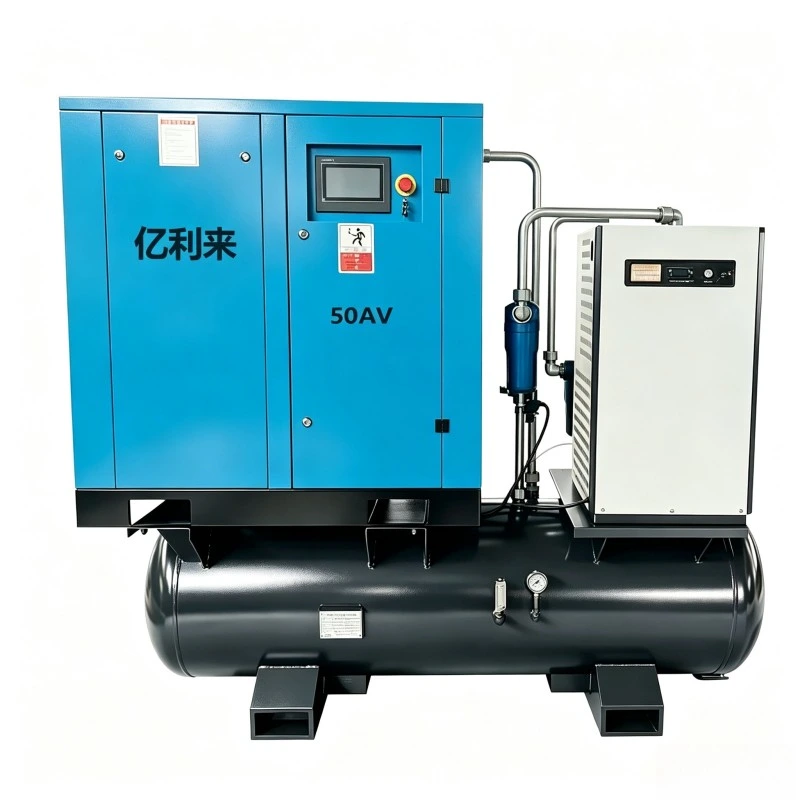
37kW High Pressure 4 in 1 Fixed Speed Air Compressor
Crafted for superior performance, Elily’s 37kW High-Pressure 4-in-1 Fixed-Speed Screw Air Compressor is built to satisfy rigorous industrial operation demands. As a professional technology-driven manufacturer, we adopt precision machining and equip every machine with premium matching components.
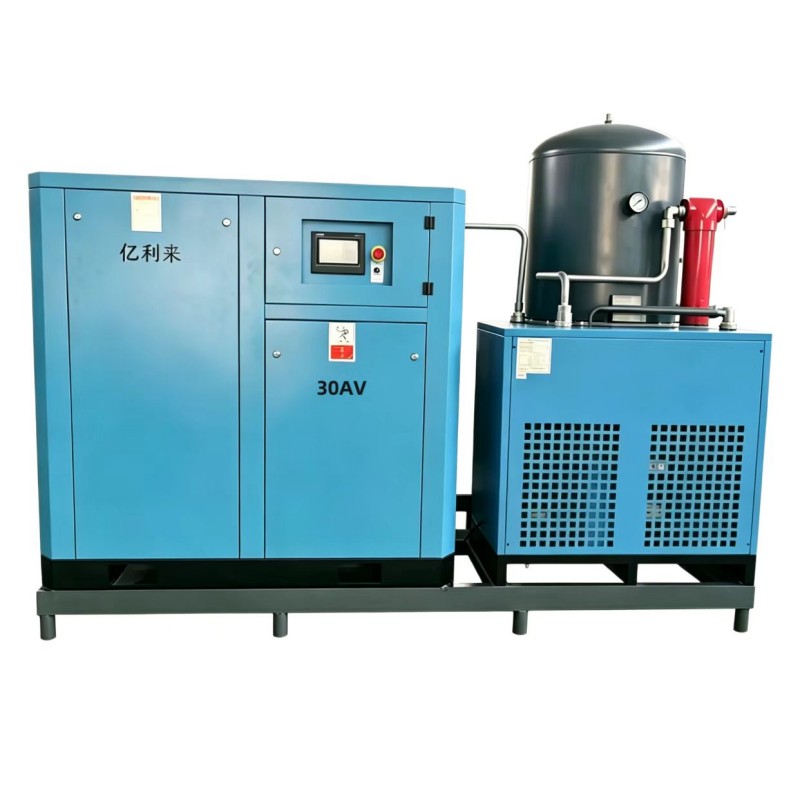
55kW Skid Mounted High Pressure Fixed Speed Single Stage Air Compressor
Searching for a dependable air compressor partner? Elily is your trustworthy professional manufacturer. We supply bulk quantities of 55kW skid-mounted high-pressure fixed-speed single-stage rotary screw air compressors to global importers, backed by our complete logistics system.
This integrated skid-mounted unit is plug-and-play: simply connect the power supply to start operation, with no extra post-processing air treatment equipment needed. It is perfectly suited for high-pressure working scenarios including laser cutting, PET bottle blowing, waterjet cutting and high-pressure air tightness testing.
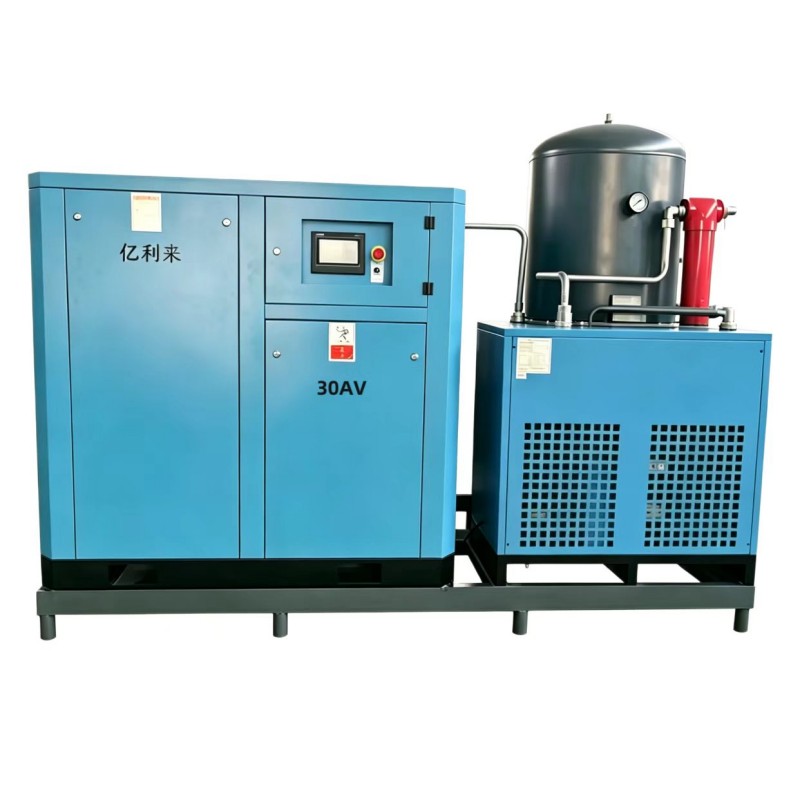
45kW 8 Bar Skid Mounted Fixed Speed Single Stage Air Compressor
As a fully transparent manufacturer, Elily strictly controls the whole production process in our own factory and conducts stringent quality inspection for every 45kW 8 Bar Skid-Mounted Fixed-Speed Single-Stage Rotary Screw Air Compressor to fully comply with international industrial standards.
This unit adopts a robust integrated steel skid base, which accommodates the airend, fixed-speed drive motor, cooling system and intelligent control cabinet as an all-in-one assembly. Supporting plug-and-play operation right after installation, it acts as an economical and standard compressed air solution ideal for medium-sized manufacturing plants, spray painting workshops and hardware processing factories.
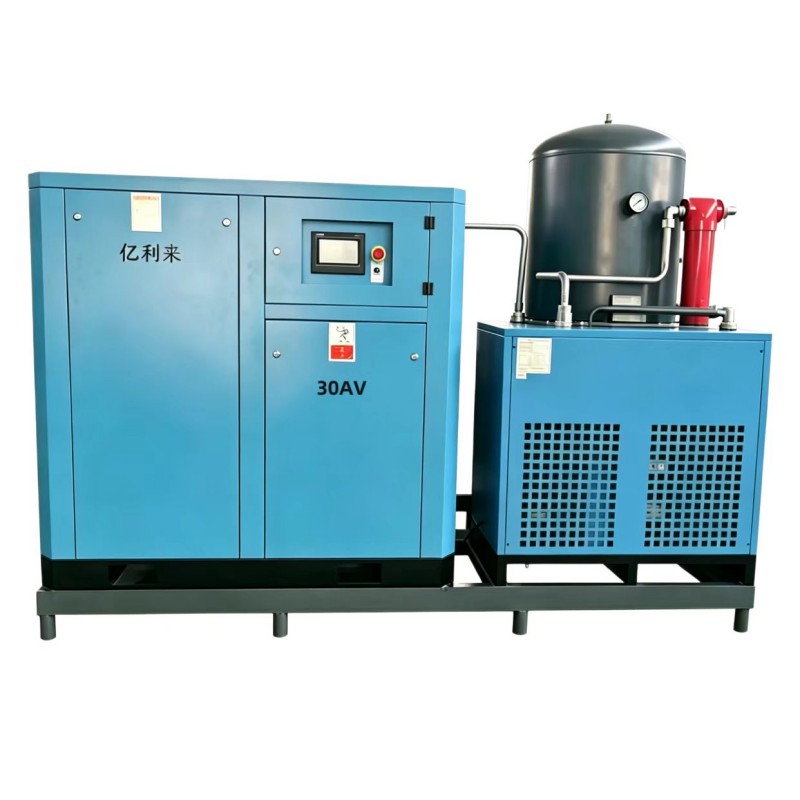
75kW Skid Mounted Low Pressure Fixed Speed Single Stage Air Compressor
Elily 75kW skid-mounted low-pressure fixed-speed single-stage rotary screw air compressor delivers stable, cost-efficient low-pressure air output for heavy industrial scenarios. Compact in size (1700×1200×1580mm, 940kg) and pre-filled with 35L dedicated coolant, the all-in-one unit enables fast installation and reliable continuous operation.
It perfectly replaces traditional multi-group Roots blowers, widely applicable for centralized air supply in glass production, wastewater treatment and large powder conveying industries. Customized solutions and exclusive product support are available to meet diverse brand and project demands.
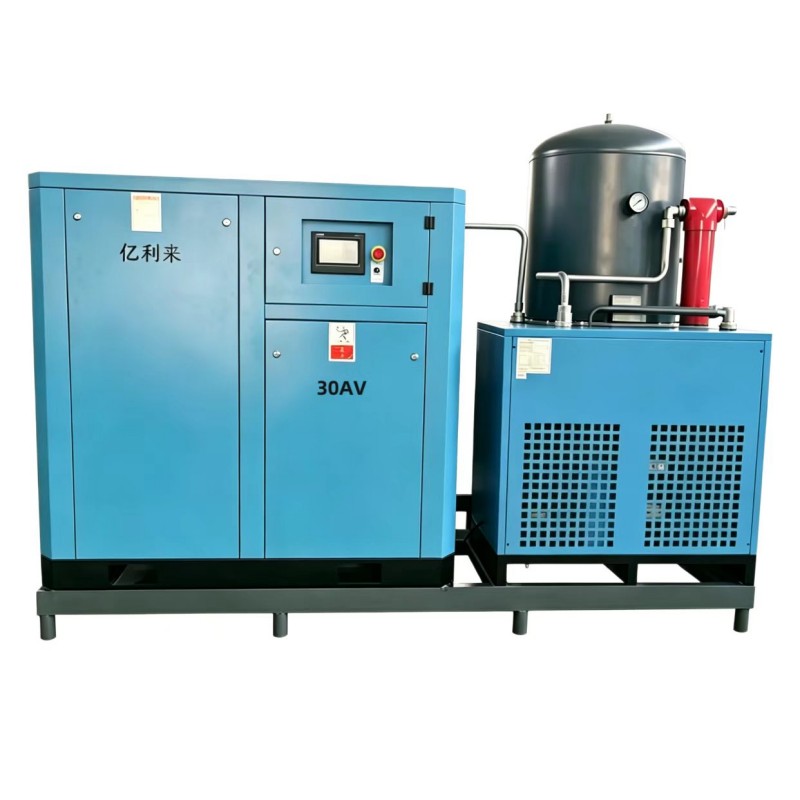
55kW Skid Mounted Low Pressure Fixed Speed Single Stage Air Compressor
Elily is your ideal manufacturer for wholesale distributors. Sourcing 55kW Skid-Mounted Low-Pressure Fixed-Speed Single-Stage Rotary Screw Air Compressors directly from our factory cuts out middleman surcharges and maximizes your profit margins.
This unit is equipped with an upgraded air cooling system, delivering low-noise operation with excellent high-temperature and dust resistance. Its overall dimensions are 1700 × 1200 × 1580 mm with a total weight of 960 kg. Every machine undergoes complete factory testing before delivery, making it perfect for centralized low-pressure air supply in large wastewater treatment and powder conveying plants.
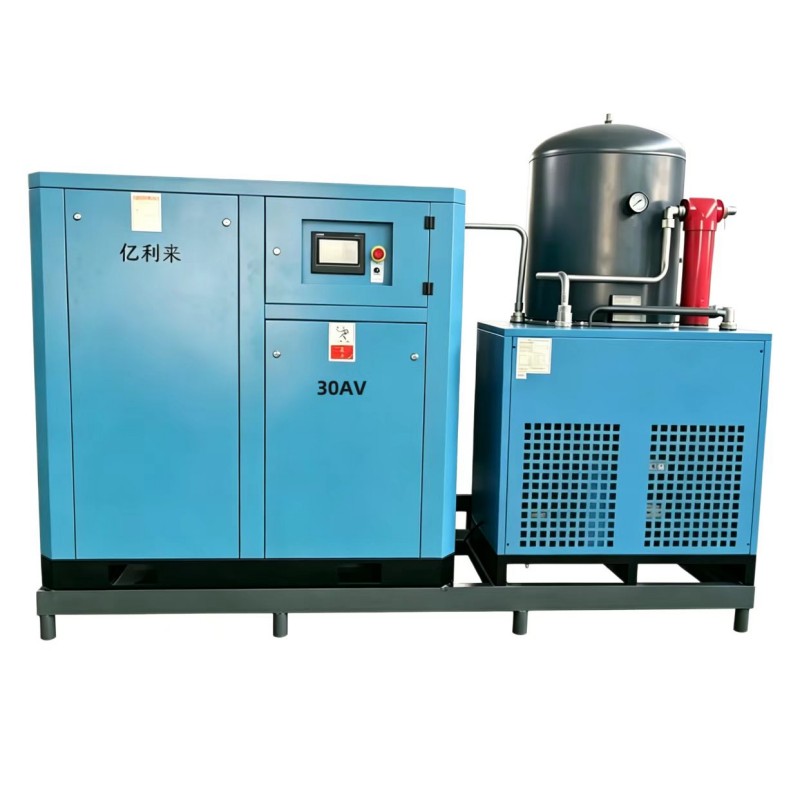
37kW Skid Mounted Low Pressure Fixed Speed Single Stage Air Compressor
Grow your market competitiveness with Elily’s popular 37kW Skid-Mounted Low-Pressure Fixed-Speed Single-Stage Rotary Screw Air Compressor. As a seasoned factory manufacturer, we deliver cost-effective pricing solutions to help clients gain stronger market advantages.
Engineered for harsh industrial environments, this unit adopts advanced air-cooled constant-temperature heat dissipation technology. It operates with ultra-low noise while maintaining excellent dustproof and high-temperature resistance, ensuring steady performance under continuous heavy-duty conditions.
Benefit from 20,000㎡ modern manufacturing facilities and strict standardized production protocols for every Fixed Speed Single Stage Air Compressor. Email Elily today to locked-in the best wholesale rates for your project!