
Nitrogen Generators VS. Nitrogen Cylinders
For most mass spectrometers, particularly LC-MS systems, a high volume of nitrogen gas is continuously required. Relying on traditional gas cylinders means that these high-pressure vessels can be depleted in a matter of days. This frequent consumption inevitably leads to regular interruptions in analysis and creates significant logistical friction, as laboratory staff must constantly manage cylinder changeovers or wait for scheduled deliveries. Furthermore, as cylinders approach the lower end of their capacity, the purity of the delivered gas often becomes inconsistent. Contaminants can accumulate in the empty space of the cylinder, and these impurities may react with samples, ultimately compromising the integrity and reproducibility of the analysis.
The most compelling argument for transitioning to on-site nitrogen gas generators, however, lies in the long-term cost efficiency. While traditional cylinders require ongoing operational expenditures (OpEx) that compound year over year, a nitrogen generator represents a one-time capital investment with minimal recurring costs. Industry data indicates that laboratories relying on cylinders spend significantly more per liter of nitrogen compared to those generating their own gas. For instance, a typical LC-MS instrument running 8 hours a day, 5 days a week can consume approximately 4 million liters of nitrogen annually—equivalent to roughly 450 cylinders. Over a three-year period, the cumulative costs of gas, cylinder rentals, hazmat fees, and delivery charges can easily exceed $30,000. In contrast, an on-site generator typically requires a lower initial capital outlay and only incurs modest maintenance and electricity costs, often achieving a return on investment (ROI) within 12 to 18 months and delivering savings of up to 70% over three years.
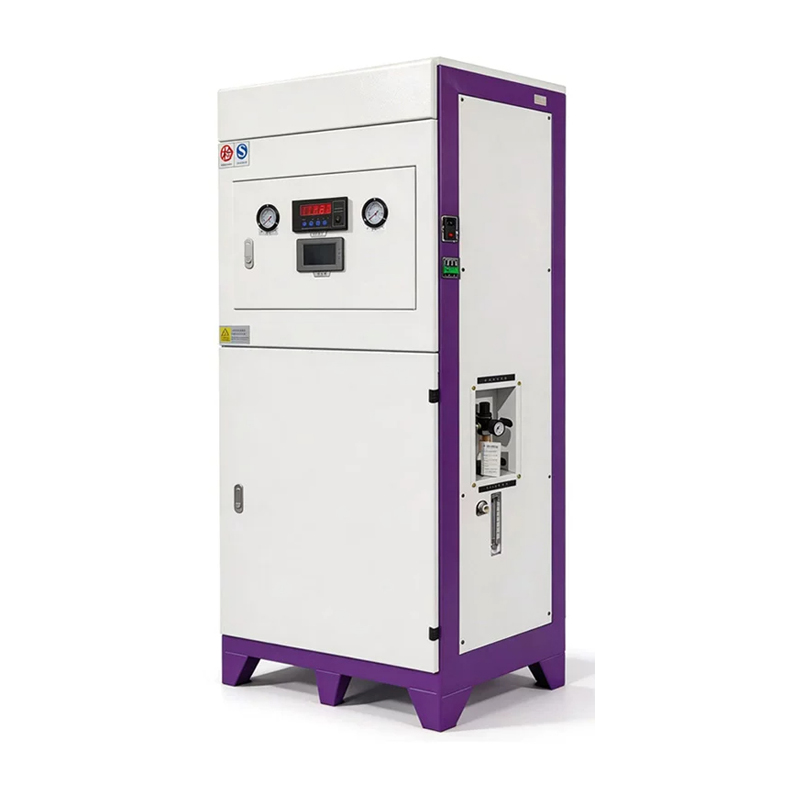
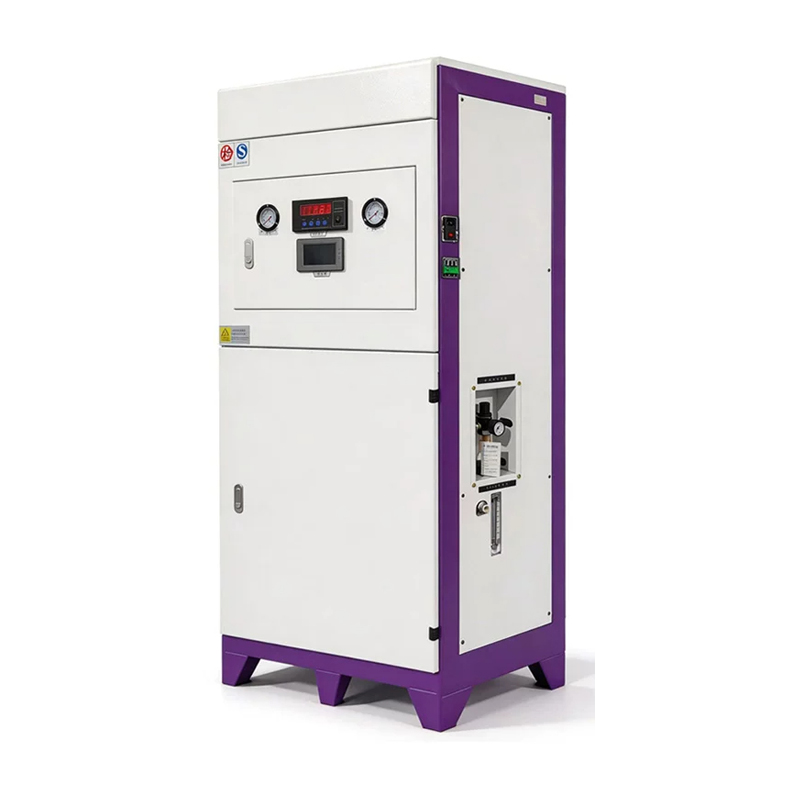
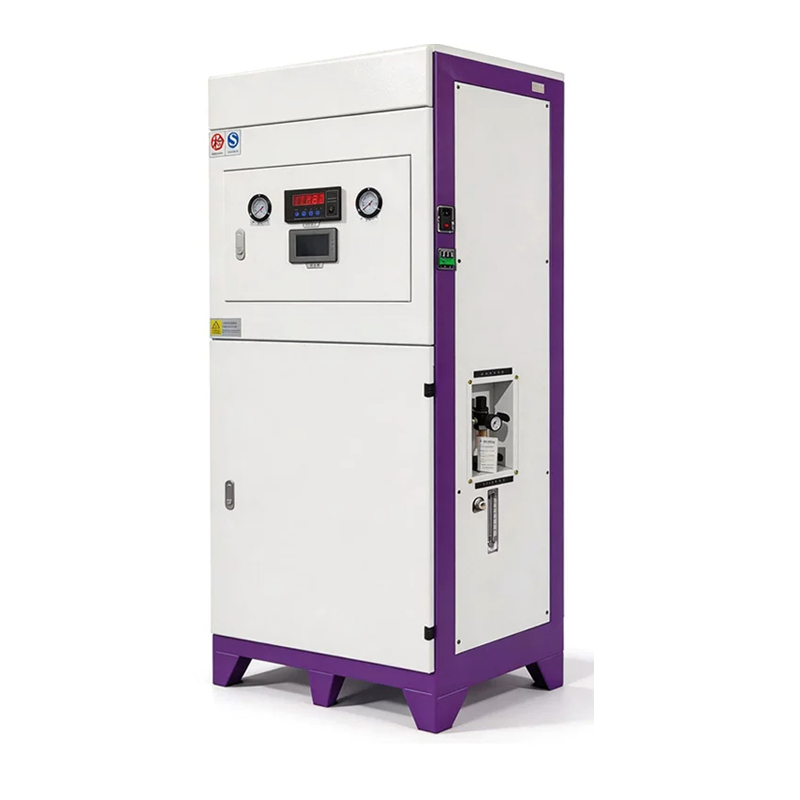
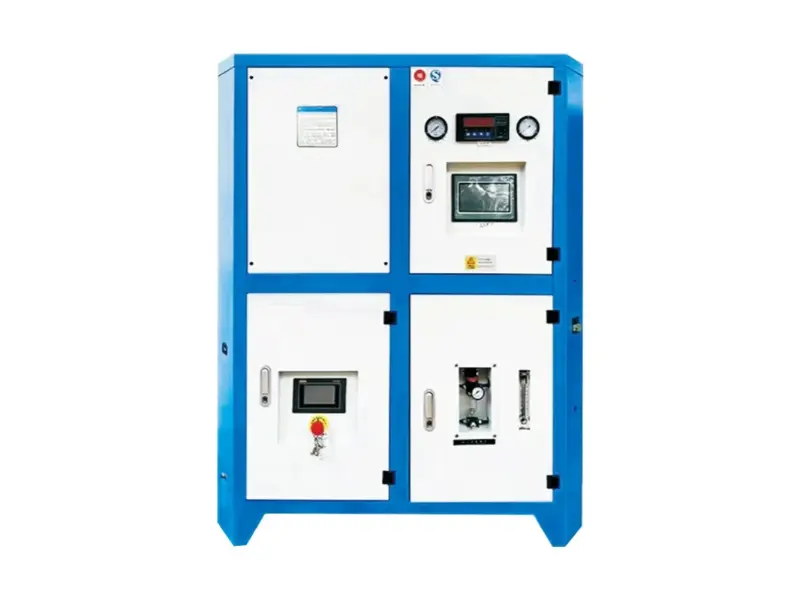
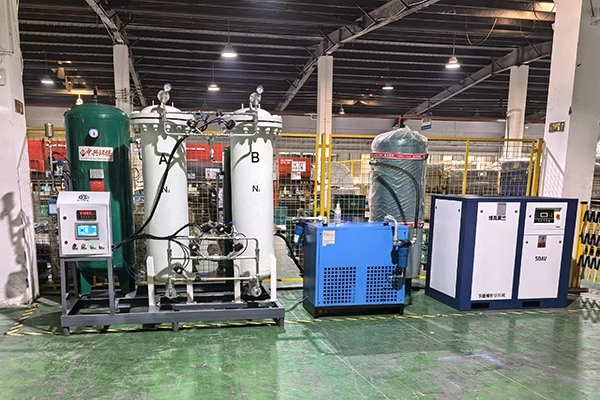
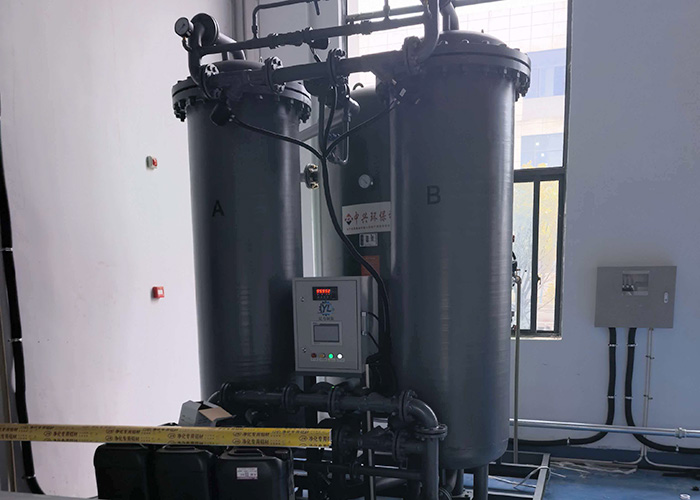
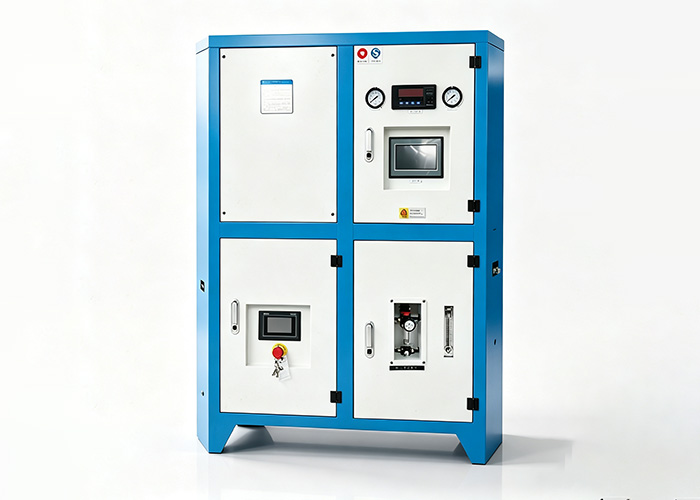
To eliminate operational bottlenecks and maximize these financial benefits, an increasing number of laboratories are turning to on-site nitrogen gas generators. These systems provide a continuous, on-demand supply of high-purity nitrogen, making them particularly suitable for time-critical applications where halting an analysis for a cylinder swap is simply not an option. Beyond operational reliability, on-site generation offers substantial safety and environmental advantages. It drastically reduces the administrative burden of managing purchase orders, scheduling deliveries, and paying fluctuating surcharges. Furthermore, it eliminates the physical hazards associated with moving heavy, high-pressure cylinders around the lab. Environmentally, generating nitrogen on-site shields laboratories from market volatility, significantly reduces the carbon footprint associated with continuous transportation, and avoids the vast amounts of energy typically consumed by industrial gas production plants.
Operational & Financial Comparison: Gas Cylinders vs. Nitrogen Generators
|
Comparison Metric |
Traditional Gas Cylinders |
On-Site Nitrogen Generator |
|
Supply Continuity |
High risk of depletion;requires frequent changeovers and delivery scheduling. |
Continuous,on-demand supply;ideal for uninterrupted. |
|
Gas Purity & Integrity |
Purity degrades as cylinder empties; risk of contaminant accumulation. |
Consistent, high-purity nitrogen with stable pressure and flow. |
|
Laboratory Safety |
High risk; requires staff to move heavy, high-pressure cylinders. |
High safety; eliminates heavy lifting and high-pressure storage hazards. |
|
Administrative Burden |
High; involves purchase orders,delivery tracking, and rental management. |
Low; automated operation with minimal administrative oversight. |
|
Cost Structure |
High Op-Ex; subject to market volatility,delivery fees, and hidden surcharges. |
High initial Cap-Ex, but extremely low Op-Ex(electricity and routine maintenance). |
|
Cost per Liter |
High (Average ~$2.79/liter) |
Low (Average ~ $0.70/liter) |
Related News
- Principles and Characteristics of Nitrogen Generators
- Common Mistakes When Sizing A PSA Nitrogen Generator - Avoid Over-Spec & Under-Spec Pitfalls
- Nitrogen Generator Installation Site Requirements: What Conditions Should Your Workshop Prepare In Advance
- Total Cost Of Ownership(TCO) For Nitrogen Generator: Do Not Only Compare Initial Purchase Price
- Nitrogen Generator Outlet Pressure Unstable - Common Causes & Troubleshooting For End-Users
- PSA VS Membrane Nitrogen Generator: Which Technology Suits Your Production Application
Leave me a message