
News

How Does a Nitrogen Generator Improve Industrial Gas Supply Reliability?

2026-07-06 0 Leave me a message

Abstract

Nitrogen plays a critical role across multiple industries, including food packaging, electronics manufacturing, pharmaceuticals, metal processing, and chemical production. Traditionally, industries relied on delivered liquid nitrogen cylinders or bulk supply systems, which often introduced cost inefficiencies, safety risks, and supply chain dependency. A nitrogen generator offers an on-site solution that converts compressed air into high-purity nitrogen, ensuring continuous availability, lower operational costs, and improved process stability. This article explains how nitrogen generators work, their key components, benefits, selection criteria, and maintenance requirements, helping businesses make informed decisions for long-term gas supply optimization. The solutions discussed are aligned with industrial systems developed by Elily, a professional provider of gas generation equipment.

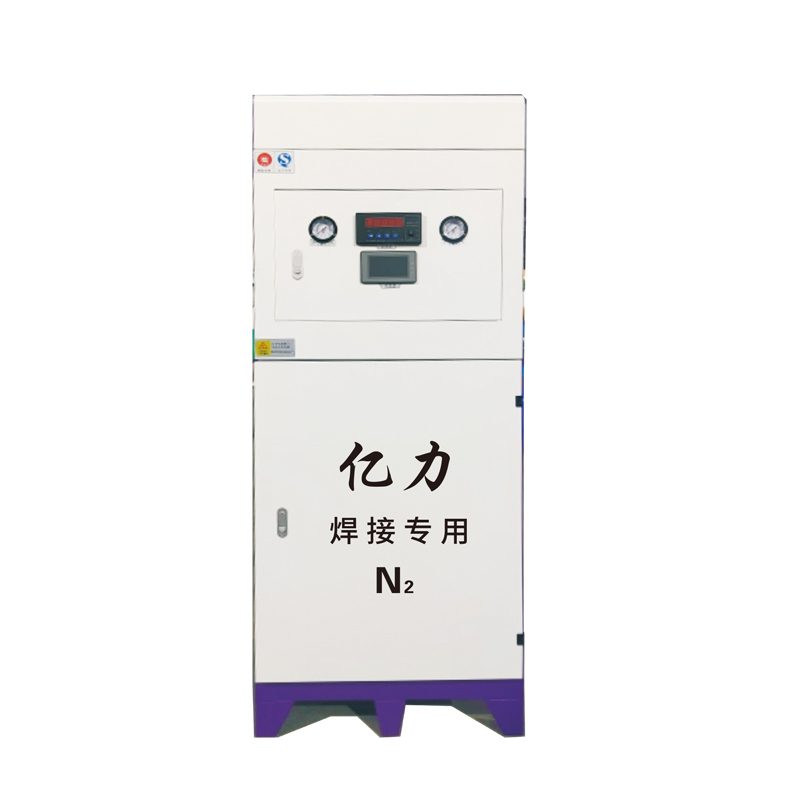
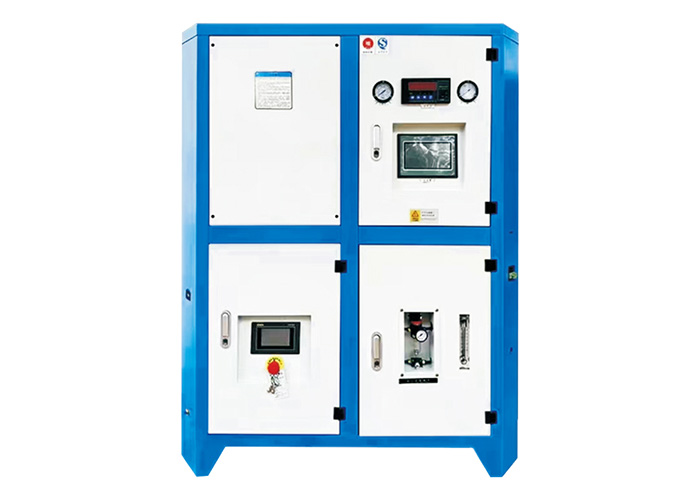
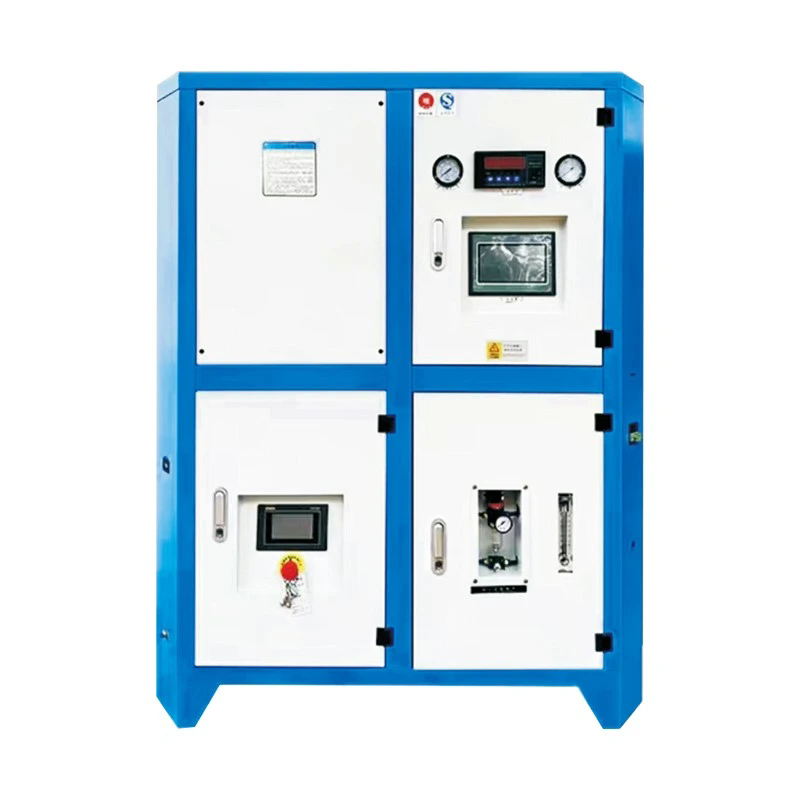
5 in 1 Integrated Nitrogen Generator

Table of Contents


1. Introduction to Nitrogen Generation

Industrial nitrogen demand has increased significantly due to automation, precision manufacturing, and stricter product quality standards. However, relying on delivered nitrogen introduces logistical constraints such as transportation delays, fluctuating gas prices, and storage hazards.

A nitrogen generator eliminates these issues by producing nitrogen directly at the point of use. By separating nitrogen from compressed air, businesses gain independence from external suppliers while maintaining a stable and continuous gas flow.


2. What is a Nitrogen Generator?

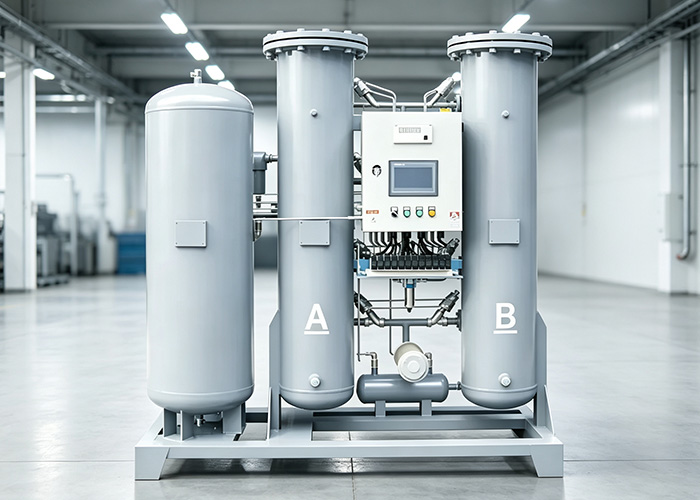
A nitrogen generator is an industrial system designed to produce nitrogen gas from ambient air. Since air consists of approximately 78% nitrogen, 21% oxygen, and trace gases, the system isolates nitrogen using advanced separation technologies.

The two most common technologies are Pressure Swing Adsorption (PSA) and membrane separation. Each method serves different purity requirements and operational conditions.


3. How a Nitrogen Generator Works

The working principle of a nitrogen generator is based on selective separation of oxygen and nitrogen molecules from compressed air. Below is a simplified breakdown of the process:

  • Air Compression: Atmospheric air is compressed using an air compressor.
  • Air Filtration: Moisture, oil, and impurities are removed through filtration systems.
  • Separation Process: Oxygen is separated from nitrogen using PSA or membrane technology.
  • Nitrogen Storage: High-purity nitrogen is stored in a buffer tank for stable output.
  • Delivery: Nitrogen is supplied directly to production equipment.

This continuous cycle ensures on-demand nitrogen availability without interruption, making it highly suitable for industries requiring stable gas supply.


4. Key Components of a Nitrogen Generator

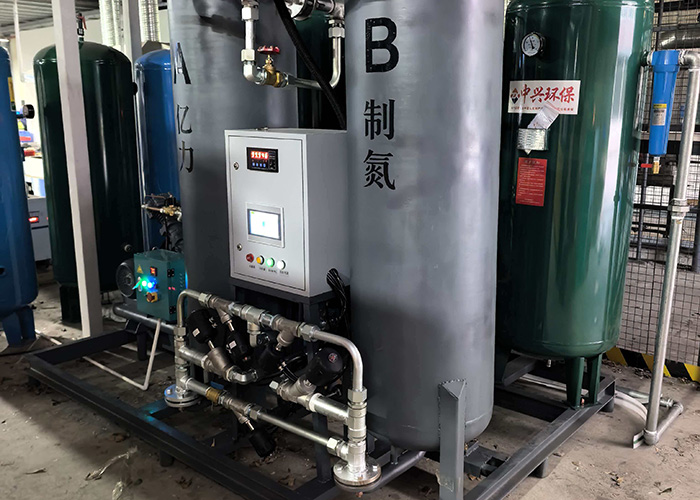
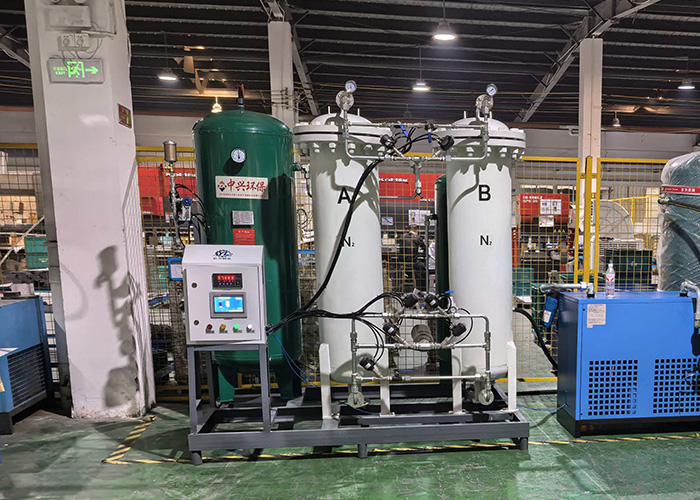
A nitrogen generator system typically includes several integrated components that ensure efficiency and purity control:

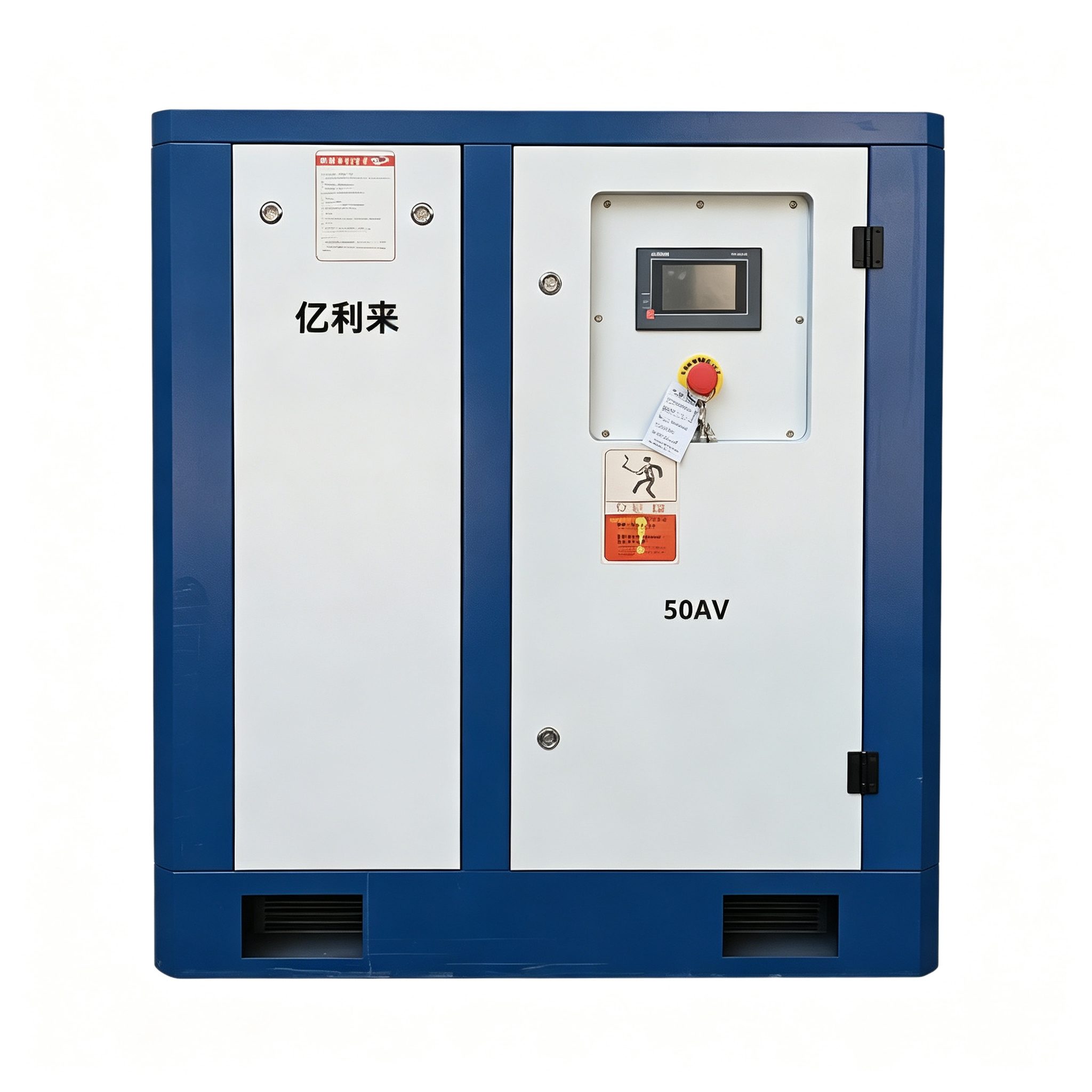
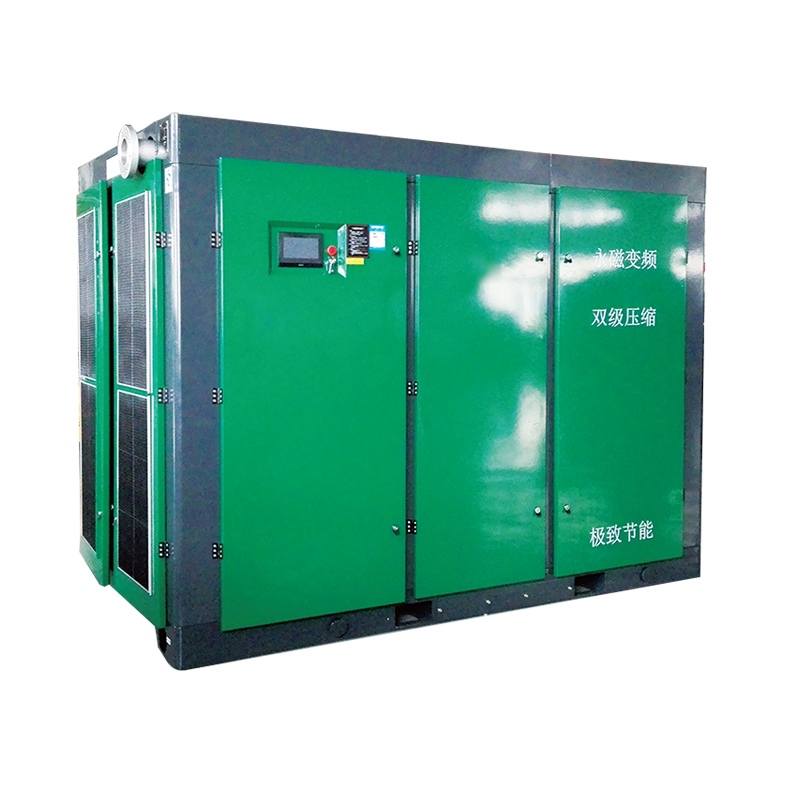
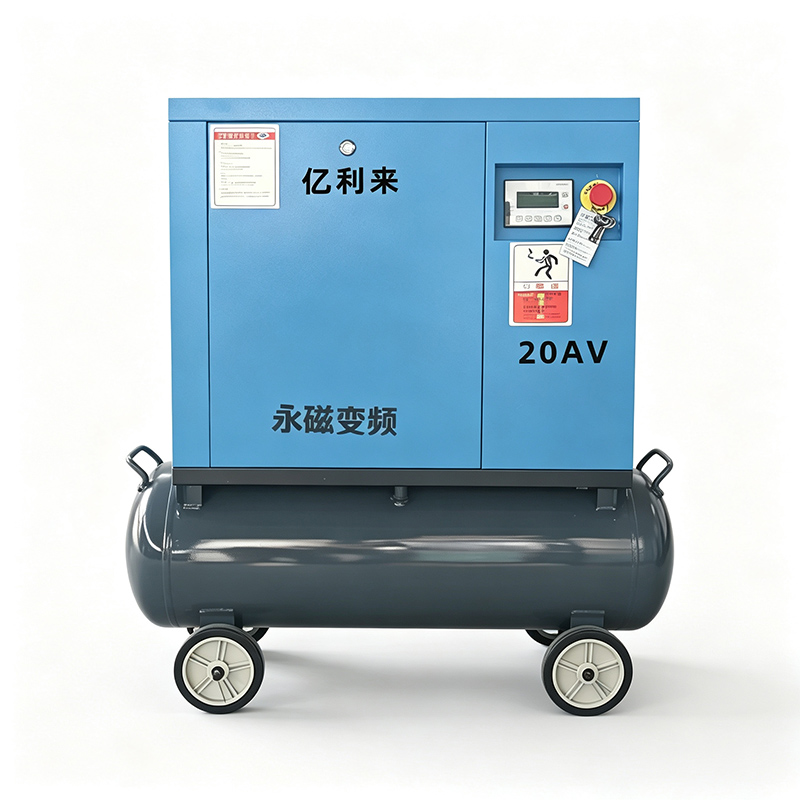
  • Air compressor system
  • Air dryer (refrigerated or desiccant type)
  • Air filtration units
  • PSA or membrane separation module
  • Nitrogen storage tank
  • Control system with monitoring interface

Each component contributes to maintaining consistent nitrogen purity and system reliability.


5. Industrial Applications

Nitrogen generators are widely used across industries where inert environments or oxygen-free conditions are essential.

  • Food and beverage packaging (prevent oxidation)
  • Electronics manufacturing (prevent component damage)
  • Pharmaceutical production (ensure sterile environments)
  • Laser cutting and metal processing
  • Chemical and petrochemical industries
  • Wine and beverage preservation systems

6. Key Benefits

On-site nitrogen generation provides several operational advantages compared to traditional gas supply methods.

  • Reduced operational cost compared to cylinder delivery
  • Continuous and uninterrupted gas supply
  • Improved workplace safety by eliminating high-pressure cylinders
  • Customizable purity levels based on application needs
  • Lower carbon footprint due to reduced logistics

Companies like Elily integrate advanced engineering into nitrogen generation systems to maximize efficiency and reliability for industrial users.


7. How to Select the Right System

Choosing the correct nitrogen generator depends on multiple technical and operational factors:

  • Nitrogen purity requirement: Typically ranges from 95% to 99.999%
  • Flow rate demand: Measured in Nm³/h or SCFH
  • Operating environment: Temperature, humidity, and space constraints
  • Energy efficiency: Compressor and system consumption rates
  • Maintenance accessibility: Ease of filter and component replacement

Proper system sizing is critical to avoid underperformance or unnecessary energy consumption.


8. Maintenance and Operational Considerations

Regular maintenance ensures stable nitrogen purity and extends equipment lifespan. Recommended practices include:

  • Replacing air filters periodically
  • Inspecting compressor performance
  • Checking for leakage in pipelines
  • Monitoring nitrogen purity levels
  • Calibrating sensors and control systems

Preventive maintenance reduces downtime and ensures continuous production efficiency.

9. Technology Comparison Table

Technology Purity Level Cost Efficiency Best Use Case
PSA Nitrogen Generator 95% – 99.999% High Industrial manufacturing, electronics
Membrane Nitrogen Generator 95% – 99.5% Very High Food packaging, general industry
Cryogenic Supply 99.999%+ Low (operational cost high) Large-scale industrial plants

10. Frequently Asked Questions

Q1: What purity level can a nitrogen generator achieve?
Modern systems can reach up to 99.999% purity depending on configuration and technology type.

Q2: Is on-site nitrogen production cost-effective?
Yes, it significantly reduces long-term gas procurement and transportation costs.

Q3: How long does a nitrogen generator last?
With proper maintenance, industrial systems can operate efficiently for 10–15 years or more.

Q4: Can nitrogen generators run continuously?
Yes, they are designed for 24/7 operation with stable output when properly maintained.


11. Conclusion

Nitrogen generators represent a strategic shift in industrial gas supply, offering independence, reliability, and cost efficiency. By producing nitrogen on-site, industries can eliminate dependency on external suppliers while ensuring consistent quality and availability.

Whether used in food packaging, electronics, pharmaceuticals, or metal processing, these systems enhance operational stability and reduce long-term costs. Elily continues to support industrial clients with advanced nitrogen generation solutions designed for modern production environments.

For customized solutions, technical consultation, or system quotations, please feel free to contact Elily. contact us to get professional support and optimize your nitrogen supply system today.

Related News
Leave me a message
X
We use cookies to offer you a better browsing experience, analyze site traffic and personalize content. By using this site, you agree to our use of cookies.Privacy Policy
RejectAccept