
How Does an Integrated PSA Nitrogen Generator Improve On-Site Gas Supply?
Article Summary: An Integrated PSA Nitrogen Generator provides an efficient way for industrial facilities to produce nitrogen directly at the point of use. Instead of depending entirely on nitrogen cylinders or bulk liquid nitrogen deliveries, manufacturers can use compressed atmospheric air as the raw material and separate nitrogen through Pressure Swing Adsorption (PSA) technology. This approach can help reduce logistics dependence, improve gas availability, simplify equipment installation, and match nitrogen purity and flow more closely to actual production requirements. This article explains how an integrated PSA nitrogen system works, what problems it can solve, how to select the right configuration, and what users should consider for reliable long-term operation.
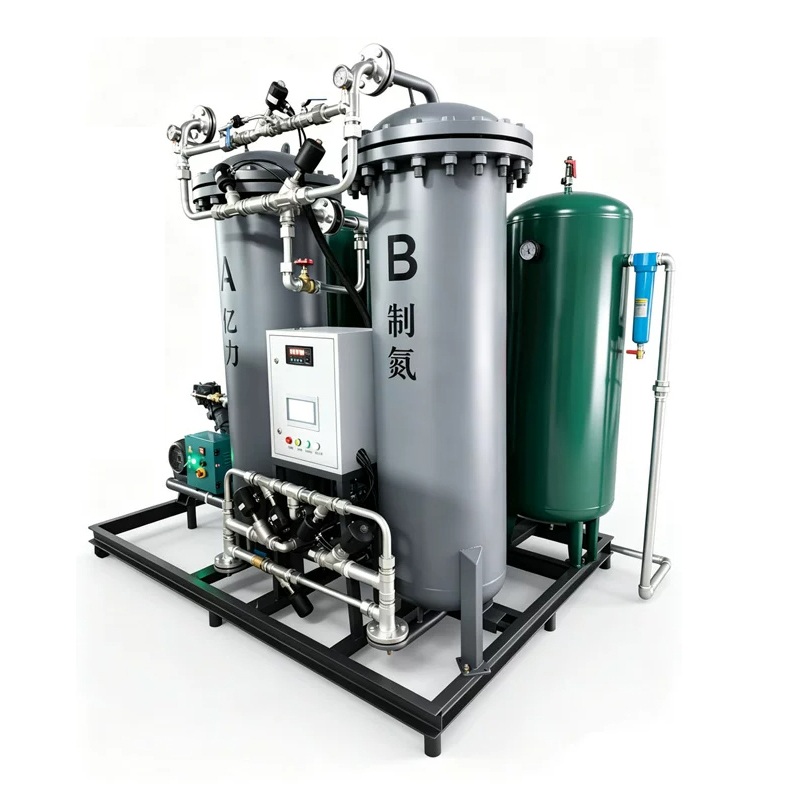
Table of Contents
- What Is an Integrated PSA Nitrogen Generator?
- How Does an Integrated PSA Nitrogen Generator Work?
- What Production Problems Can It Solve?
- What Are the Main Advantages?
- Which Technical Parameters Matter Most?
- Where Can Integrated PSA Nitrogen Generation Be Used?
- How Should You Choose the Right System?
- How Can You Maintain Stable Nitrogen Production?
- How Does On-Site PSA Generation Compare With Traditional Supply?
- Conclusion
- Frequently Asked Questions
What Is an Integrated PSA Nitrogen Generator?
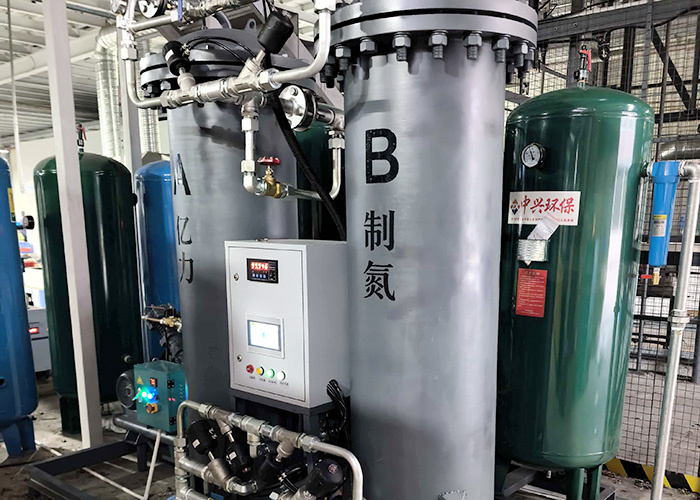
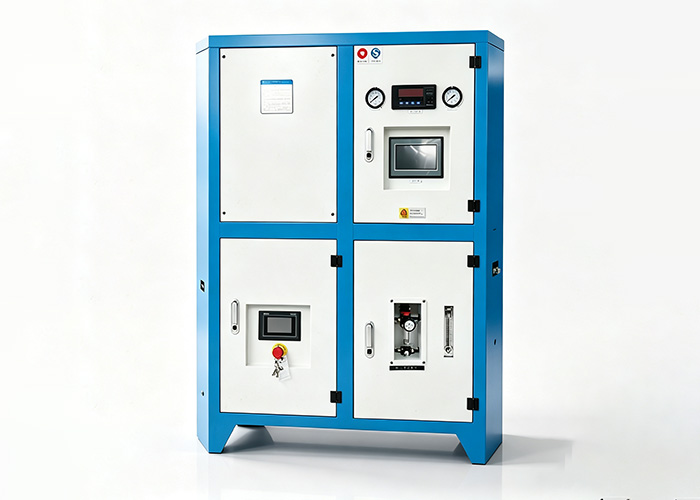
An Integrated PSA Nitrogen Generator is an on-site gas generation system that uses compressed atmospheric air to produce nitrogen with a specified purity and pressure. PSA stands for Pressure Swing Adsorption, a separation process in which specialized adsorbent material selectively removes oxygen and other components from compressed air while allowing nitrogen to pass through as the product gas.
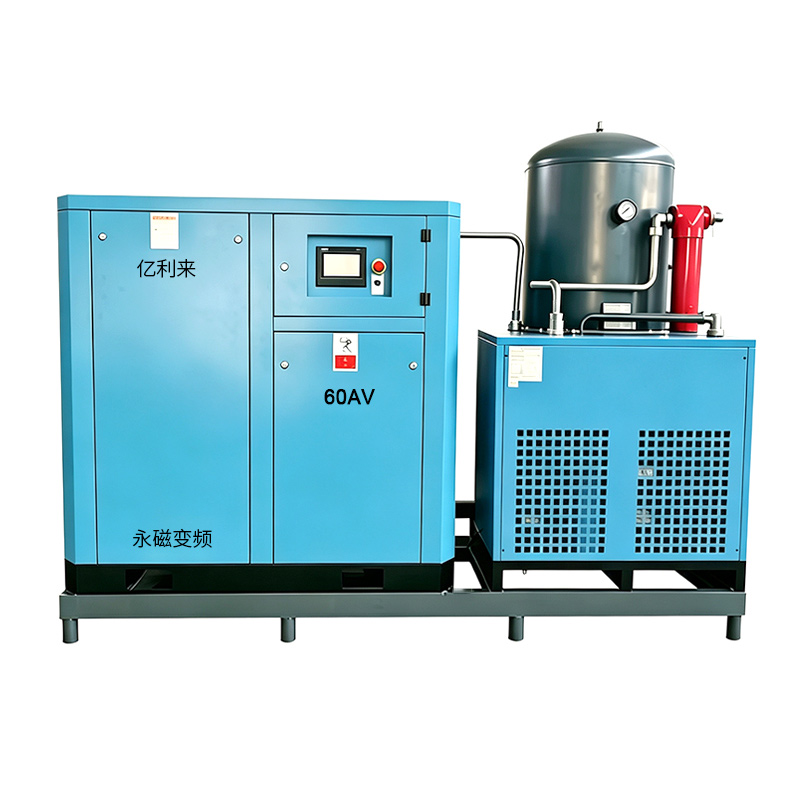
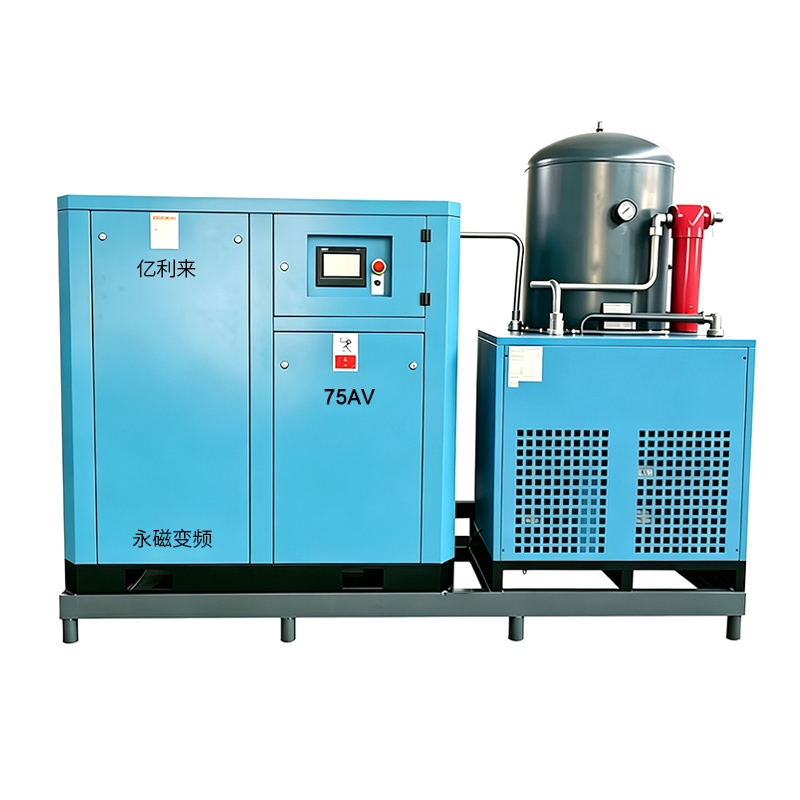
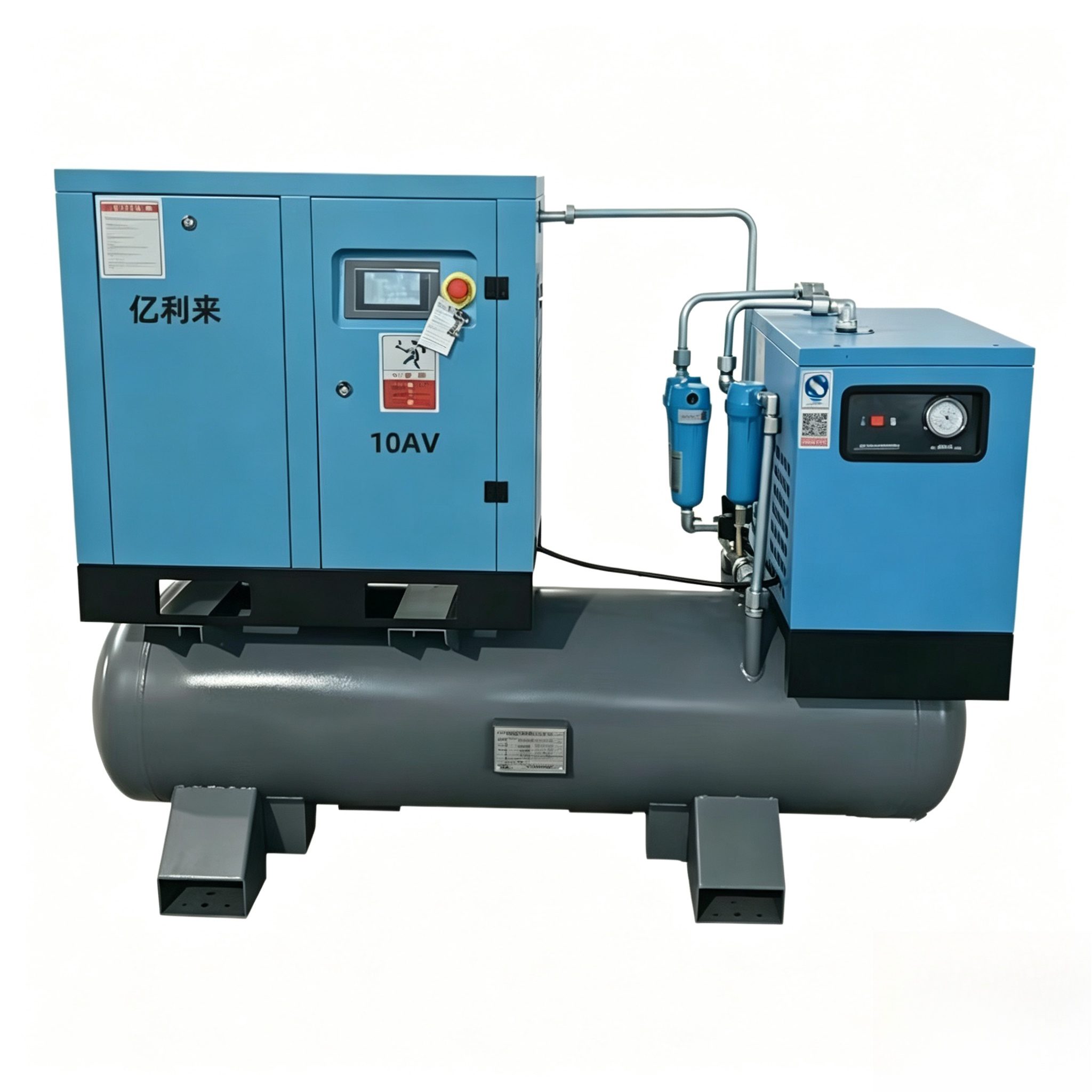
The word “integrated” is important because the major components are arranged as a coordinated system rather than requiring users to build an extensive gas-generation installation from separate pieces of equipment. Depending on the configuration, an integrated unit can incorporate the nitrogen separation system, filtration components, control equipment, pressure monitoring and supporting structures into a compact package.
This design is particularly valuable for factories that have limited installation space or want to reduce the complexity associated with commissioning a new gas supply system.
For industrial users, the goal is not simply to generate nitrogen. The real objective is to obtain a stable gas supply with appropriate purity, flow, pressure, dew point and operating cost while minimizing interruptions to production.
How Does an Integrated PSA Nitrogen Generator Work?
The operating principle is based on the different adsorption characteristics of gases when they pass through carbon molecular sieve material under pressure.
Atmospheric air contains approximately 78% nitrogen, while oxygen, argon, carbon dioxide, water vapor and trace gases make up the remainder. A PSA nitrogen generator does not need to manufacture nitrogen chemically. Instead, it separates nitrogen from the air that is already available around the facility.
- Compressed air preparation: Atmospheric air is compressed and passed through appropriate filtration and treatment equipment.
- Moisture and contaminant removal: Water, oil aerosols and solid particles must be controlled before the air enters the adsorption vessels.
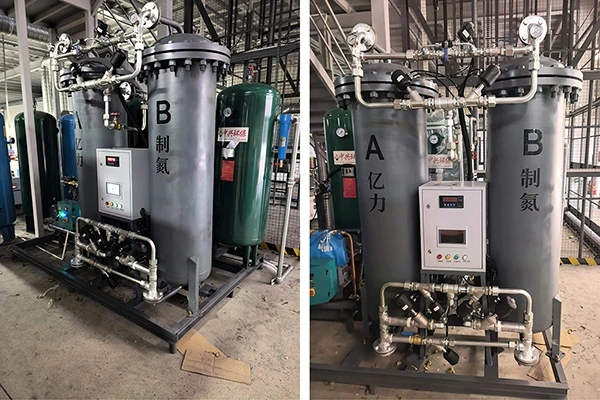
- Adsorption: The prepared compressed air enters a vessel containing carbon molecular sieve. Oxygen and certain other components are preferentially adsorbed.
- Nitrogen production: Nitrogen passes through the adsorption bed and becomes the product gas.
- Pressure regeneration: When the adsorption material approaches its operating limit, the pressure is reduced so the adsorbed gases can be released.
- Cycle switching: A second adsorption vessel takes over production while the first vessel regenerates.
This alternating cycle allows continuous nitrogen production. The control system coordinates valve switching, pressure changes and monitoring so that nitrogen can be supplied consistently during extended operation.
A properly engineered system also pays close attention to airflow distribution. Even distribution across the adsorption material helps the carbon molecular sieve work efficiently and can contribute to more stable nitrogen production.
What Production Problems Can It Solve?
Many factories experience problems not because nitrogen is unavailable, but because the traditional supply method does not match their actual operating conditions.
1. Unpredictable Nitrogen Delivery
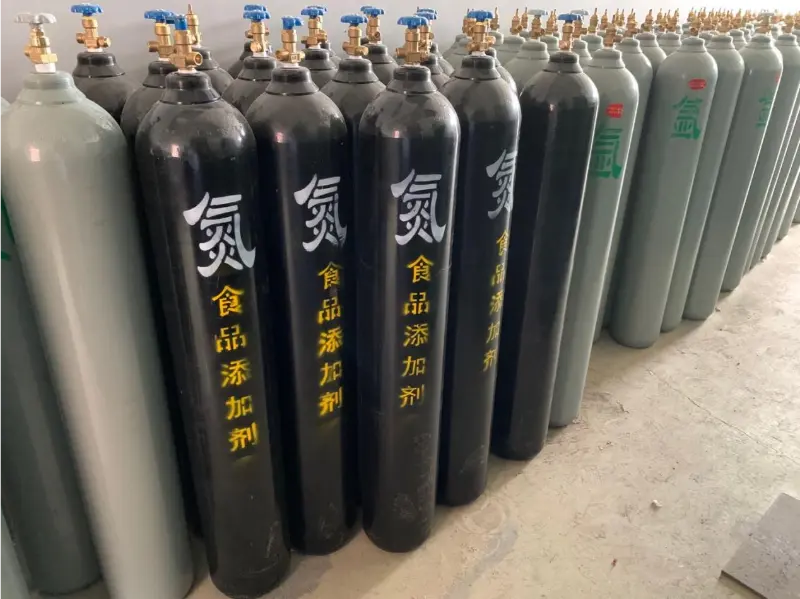
Cylinder and bulk gas systems depend on external deliveries. Transportation delays, inventory shortages, changing production schedules or unexpected demand can create supply pressure.
On-site generation changes the supply model. Instead of waiting for nitrogen to arrive from an external gas supplier, the facility produces nitrogen from compressed air at the point of consumption.
2. High Gas Logistics Costs
Purchased nitrogen may involve costs associated with cylinders, transportation, storage, handling and repeated replenishment. For facilities with continuous nitrogen demand, these indirect costs can become significant.
An integrated PSA system can reduce dependence on repeated nitrogen deliveries because atmospheric air becomes the basic raw material for nitrogen production.
3. Limited Installation Space
Traditional gas supply arrangements can require cylinder storage areas, bulk storage infrastructure and additional gas-handling equipment. A compact integrated configuration can make better use of available factory floor space.
4. Inconsistent Gas Requirements
Not every process requires the same nitrogen purity. Some applications may need ordinary industrial-grade nitrogen, while others demand extremely high purity.
A properly selected PSA system can be configured around the actual purity requirement instead of forcing every application to purchase the same grade of nitrogen.
5. Difficult Operating Management
Manual management of multiple pieces of gas equipment can increase the workload for operators. Modern integrated systems can combine control, monitoring and operating functions into a centralized interface.
What Are the Main Advantages?
An Integrated PSA Nitrogen Generator can provide several practical advantages when it is correctly sized and installed.
| Advantage | Practical Value |
|---|---|
| On-site nitrogen production | Reduces dependence on external gas deliveries |
| Adjustable nitrogen purity | Allows the system to match different process requirements |
| Compact integrated structure | Helps reduce installation space requirements |
| Automated control | Simplifies daily operation and monitoring |
| Atmospheric air as feedstock | Provides a readily available source for nitrogen generation |
| Reduced logistics dependence | Helps minimize repeated cylinder or bulk-gas deliveries |
| Scalable capacity selection | Makes it possible to select equipment according to production demand |
Stable Purity Control
One of the most important benefits is the ability to configure nitrogen purity according to the application. The Integrated PSA Nitrogen Generator offered by Guangdong Yili Machinery Equipment Co., Ltd. is designed for nitrogen purity configurations ranging from approximately 95% to 99.999%, depending on operating requirements and equipment configuration.
Higher purity generally requires different operating conditions and may influence nitrogen production capacity and compressed-air consumption. Therefore, users should avoid selecting the highest possible purity automatically. The better approach is to determine the actual process requirement first.
Automated Monitoring
Modern industrial nitrogen systems can incorporate PLC-based control and touchscreen interfaces for easier operation. Real-time monitoring can help operators observe key operating conditions and identify abnormal trends before they affect production.
For facilities operating around the clock, this type of centralized monitoring can be especially valuable because it reduces the need for constant manual adjustment.
Which Technical Parameters Matter Most?
Choosing a nitrogen generator based only on the advertised model name is not enough. Several technical parameters determine whether the equipment will actually meet the production requirement.
| Parameter | Why It Matters | What to Check |
|---|---|---|
| Nitrogen flow | Determines whether the generator can meet process demand | Normal and peak Nm³/h requirements |
| Nitrogen purity | Influences product quality and process performance | Required oxygen concentration or nitrogen percentage |
| Outlet pressure | Determines compatibility with downstream equipment | Required operating pressure at the point of use |
| Dew point | Important for moisture-sensitive applications | Required gas dryness |
| Compressed-air consumption | Affects operating cost | Air-to-nitrogen efficiency under actual conditions |
| Installation footprint | Determines whether the system fits the available space | Overall dimensions and service clearance |
| Control system | Affects ease of operation and monitoring | PLC, touchscreen interface and alarm functions |
According to the product specifications provided by Guangdong Yili Machinery Equipment Co., Ltd., its Integrated PSA Nitrogen Generator range can be configured for approximately 1–3000 Nm³/h output, 95%–99.999% nitrogen purity, 0.1–0.8 MPa nitrogen pressure and a -40°C to -70°C dew point range, subject to the specific system configuration.
These figures demonstrate why equipment selection should be based on operating conditions rather than simply choosing a generator with the largest nominal capacity.
Where Can Integrated PSA Nitrogen Generation Be Used?
Nitrogen is used in many industries because it is relatively inert and can help reduce oxidation, combustion-supporting conditions and unwanted reactions in controlled processes.
- Food packaging: Nitrogen can be used for modified-atmosphere packaging and product protection.
- Pharmaceutical manufacturing: Controlled nitrogen environments can support processes where oxygen and moisture need to be limited.
- Electronics: Nitrogen is used in manufacturing environments where oxidation control and gas purity are important.
- Laser processing: Nitrogen may be used as an assist gas in selected cutting and processing applications.
- Automotive manufacturing: Nitrogen can support various production and component-processing operations.
- New energy: Battery and related manufacturing processes can require controlled atmospheres.
- Aerospace: High-quality industrial gases are used in selected manufacturing and processing applications.
- Chemical processing: Nitrogen can be used for inerting, blanketing and process protection where the application requires it.
The actual nitrogen specification varies considerably between applications. A food packaging line, laser cutting machine and pharmaceutical process may have very different purity, pressure, flow and dew-point requirements.
How Should You Choose the Right System?
The most common purchasing mistake is to start with generator capacity instead of starting with the production process.
Step 1: Calculate Actual Nitrogen Demand
Determine average consumption, peak consumption, operating hours and future expansion requirements. A system that is too small may struggle during peak demand, while an excessively oversized system can increase capital and operating costs unnecessarily.
Step 2: Define the Required Purity
Identify the nitrogen purity specified by the production process. If the process only requires moderate purity, there may be little economic justification for continuously producing ultra-high-purity nitrogen.
Step 3: Confirm Pressure Requirements
Check the pressure required at the actual point of use, not merely the pressure available at the generator outlet. Pipeline pressure losses, regulators, filters and other components can influence the final pressure.
Step 4: Evaluate Feed-Air Quality
PSA adsorption material is sensitive to contaminants. Oil, liquid water and excessive particulate matter can damage or degrade the performance of the adsorption system.
Appropriate air treatment and filtration are therefore essential parts of a reliable nitrogen generation installation.
Step 5: Consider Available Space
Measure the proposed installation area and leave sufficient clearance for inspection, maintenance and component replacement. Compact equipment does not mean that service access can be ignored.
Step 6: Check Technical Support
Long-term performance depends on more than the machine itself. Before purchasing, confirm whether the supplier can provide commissioning assistance, operating documentation, troubleshooting support and replacement parts.
Guangdong Yili Machinery Equipment Co., Ltd. states that its equipment is supported by installation guidance, online technical assistance, troubleshooting services and a 12-month quality warranty under its stated warranty conditions.
How Can You Maintain Stable Nitrogen Production?
Correct maintenance helps protect adsorption performance and reduce unexpected downtime.
- Inspect filters regularly: Replace filter elements according to operating conditions and manufacturer recommendations.
- Monitor compressed-air quality: Excessive moisture or oil can negatively affect the adsorption system.
- Check nitrogen purity: Regular purity monitoring helps identify abnormal operating conditions.
- Observe pressure changes: Unusual pressure behavior can indicate valve, filter or adsorption-system problems.
- Keep ventilation adequate: Equipment rooms should provide suitable environmental conditions for continuous operation.
- Follow valve and control-system maintenance procedures: Automated PSA systems rely on correctly timed switching cycles.
- Maintain spare parts: Critical filters, seals and other consumables should be available when required.
- Record operating data: Historical data makes it easier to identify gradual performance changes.
Maintenance should always follow the equipment manufacturer's technical documentation and the actual operating environment. A preventive maintenance schedule is generally more effective than waiting until nitrogen purity or production capacity has already fallen.
How Does On-Site PSA Generation Compare With Traditional Supply?
| Factor | On-Site PSA Nitrogen | Purchased Cylinder/Bulk Supply |
|---|---|---|
| Gas source | Atmospheric air | Externally produced nitrogen |
| Supply model | Produced at the facility | Delivered to the facility |
| Delivery dependence | Lower | Higher |
| Storage requirements | Generally reduced gas storage requirements | May require cylinder or bulk storage arrangements |
| Purity selection | Can be configured according to application | Depends on purchased gas specification |
| Installation | Requires generator and supporting compressed-air infrastructure | Requires suitable delivery and storage infrastructure |
| Long-term operating model | Electricity and maintenance become major operating considerations | Gas purchase and delivery remain recurring costs |
Neither supply method is automatically ideal for every facility. Low-volume or occasional users may find delivered nitrogen convenient, while facilities with continuous and substantial nitrogen demand may benefit from evaluating on-site PSA generation.
The correct decision should consider total operating conditions, including gas consumption, electricity cost, delivery frequency, space, maintenance, purity requirements and expected production lifetime.
Conclusion
An Integrated PSA Nitrogen Generator provides a practical approach for factories that need a dependable supply of nitrogen without relying entirely on external gas deliveries. By separating nitrogen from compressed atmospheric air, PSA technology enables on-site production with configurable purity, pressure and flow.
The integrated configuration can also simplify installation and operation by combining essential components into a coordinated system. For facilities dealing with high nitrogen consumption, delivery uncertainty, limited storage space or the need for continuous gas availability, this approach deserves careful consideration.
However, reliable performance depends on correct engineering. Nitrogen demand, purity, pressure, dew point, compressed-air quality, operating schedule and future expansion should all be evaluated before selecting equipment.
Guangdong Yili Machinery Equipment Co., Ltd. provides Integrated PSA Nitrogen Generator solutions designed for industrial applications requiring on-site nitrogen production. Its published equipment specifications cover a broad range of capacity and purity configurations, allowing system selection to be matched to different production requirements.
For manufacturers looking to improve nitrogen availability while building a more controlled and predictable gas supply system, an appropriately engineered PSA solution can become an important part of the plant's utility infrastructure.
Frequently Asked Questions
1. What is the main purpose of an Integrated PSA Nitrogen Generator?
Its primary purpose is to generate nitrogen on-site from compressed atmospheric air. The system separates nitrogen from other components of air through PSA technology and supplies the resulting nitrogen to industrial processes.
2. What nitrogen purity can an Integrated PSA Nitrogen Generator provide?
The achievable purity depends on the equipment configuration and operating conditions. The Integrated PSA Nitrogen Generator range presented by Guangdong Yili Machinery Equipment Co., Ltd. is specified for nitrogen purity from approximately 95% to 99.999%.
3. Does a PSA nitrogen generator require an air compressor?
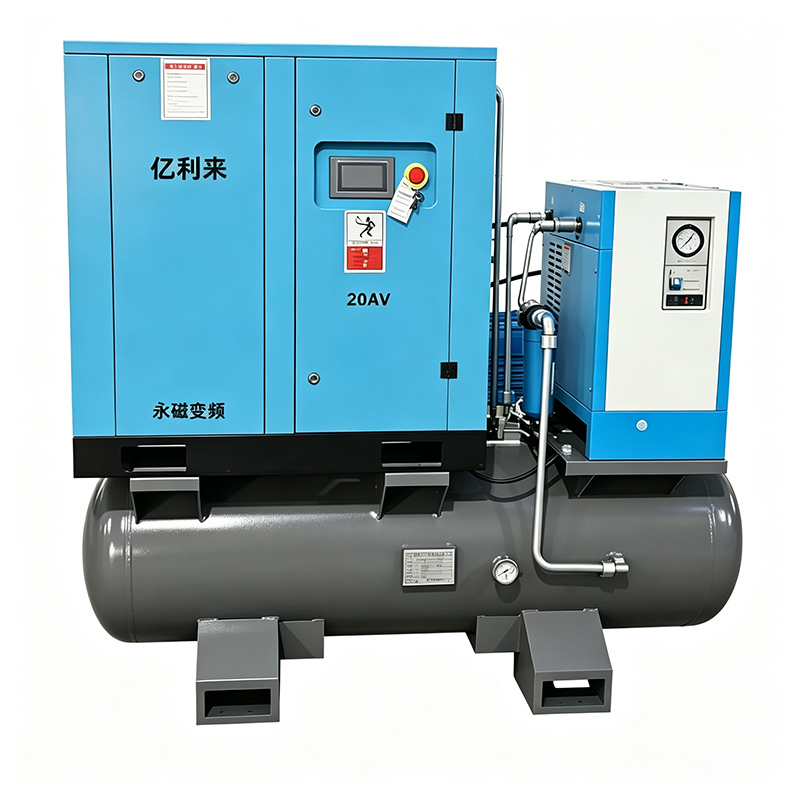
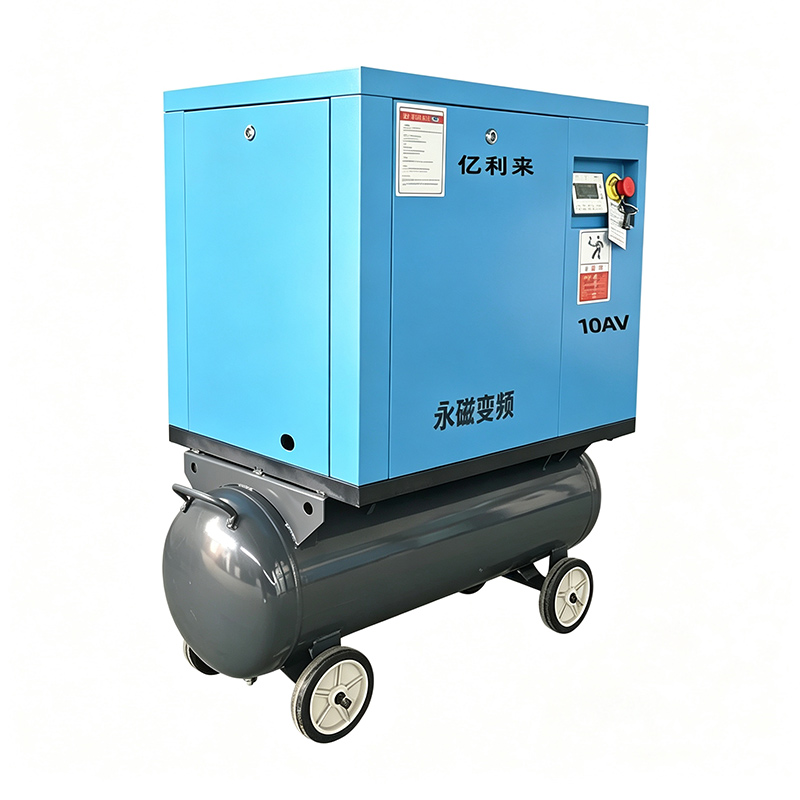
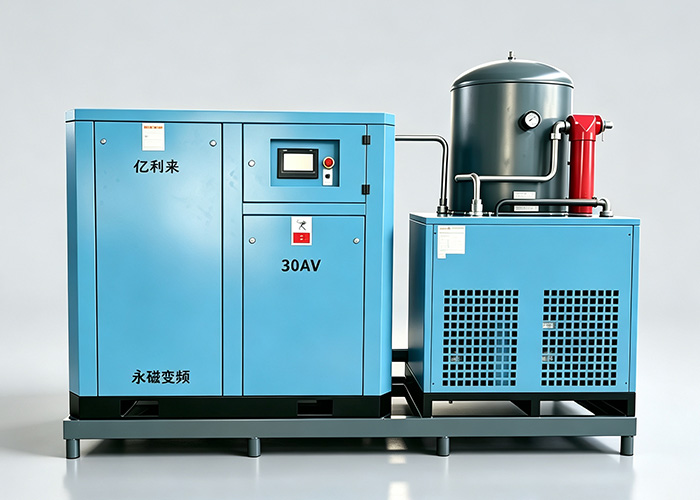
Yes. PSA nitrogen separation requires compressed air. The supporting air compressor therefore plays an important role in overall system efficiency, gas quality and operating cost.
4. Why is compressed-air treatment important?
Water, oil and particulate contamination can affect filtration components and adsorption material. Proper air preparation helps protect the PSA system and supports stable nitrogen production.
5. Is an Integrated PSA Nitrogen Generator suitable for continuous operation?
PSA systems are designed around cyclic adsorption and regeneration, allowing continuous nitrogen production when properly sized, installed and maintained. Automated controls can coordinate the operating cycle and monitor important parameters.
6. How do I determine the required generator capacity?
Start with the actual nitrogen consumption of the production process. Consider average demand, peak demand, operating hours, required pressure and possible future production expansion. The generator should be selected according to these conditions rather than capacity alone.
7. Can the nitrogen purity be customized?
Yes. PSA systems can be engineered for different purity requirements. The appropriate specification depends on the application, required gas quality, flow rate and operating conditions.
8. What industries use PSA nitrogen generators?
Applications include food packaging, pharmaceuticals, electronics, new energy, automotive manufacturing, aerospace, chemical processing and selected laser-processing operations. The required nitrogen specification varies by application.
9. What maintenance does a PSA nitrogen generator require?
Routine maintenance generally includes checking filtration, compressed-air quality, nitrogen purity, operating pressure, valves, control components and other wear parts. The exact maintenance schedule should follow the equipment manufacturer's recommendations.
10. Can Guangdong Yili Machinery Equipment Co., Ltd. provide customized nitrogen solutions?
Yes. The company states that it supports customized OEM and ODM equipment solutions based on factors such as gas flow, purity and working conditions. This allows the nitrogen generation system to be designed around the actual production environment rather than relying on a one-size-fits-all configuration.
Build a More Reliable On-Site Nitrogen Supply
If your facility needs stable nitrogen production, customized purity, suitable gas capacity or a compact industrial gas solution, Guangdong Yili Machinery Equipment Co., Ltd. can help evaluate your operating requirements and develop a suitable Integrated PSA Nitrogen Generator configuration.
Tell us your required nitrogen flow, purity, pressure and application conditions, and contact us today for a customized equipment solution and professional technical support.
Related News
- How Can a Nitrogen Generator for Laser Cutting Improve Cutting Quality and Reduce Production Costs
- How Does a Fixed Speed Single Stage Air Compressor Improve Industrial Air Supply?
- How Does a Standalone VSD Single Stage Air Compressor Improve Industrial Air Efficiency?
- How Does a Multi-Industry Universal Nitrogen Generator Work?
- How Does a Two Stage Air Compressor Improve Industrial Air Supply Efficiency?
- How Does an Integrated PSA Nitrogen Generator Improve Industrial Gas Supply Efficiency?
Leave me a message