
Abstract
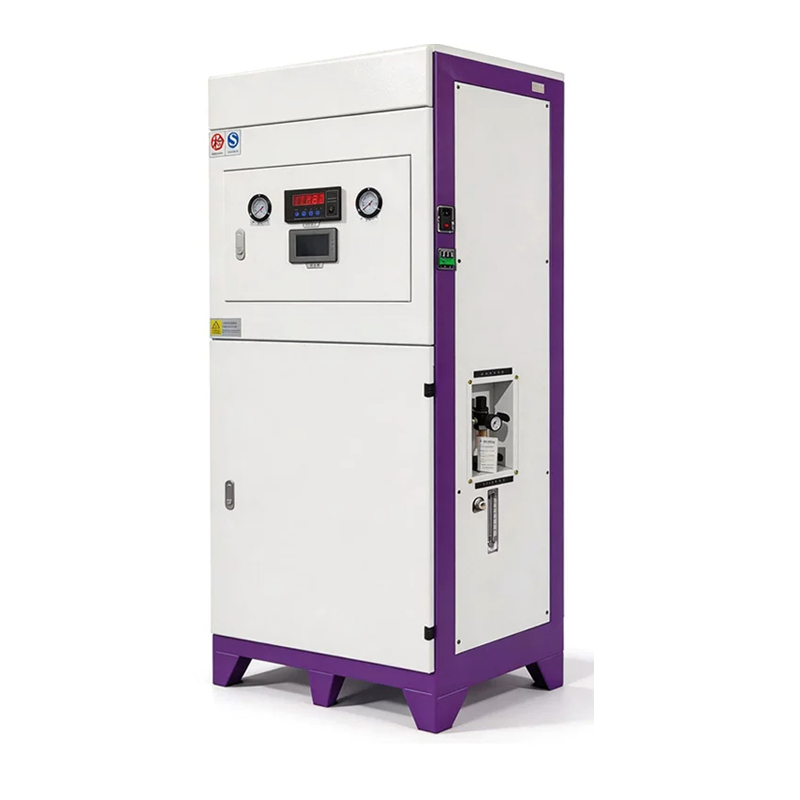
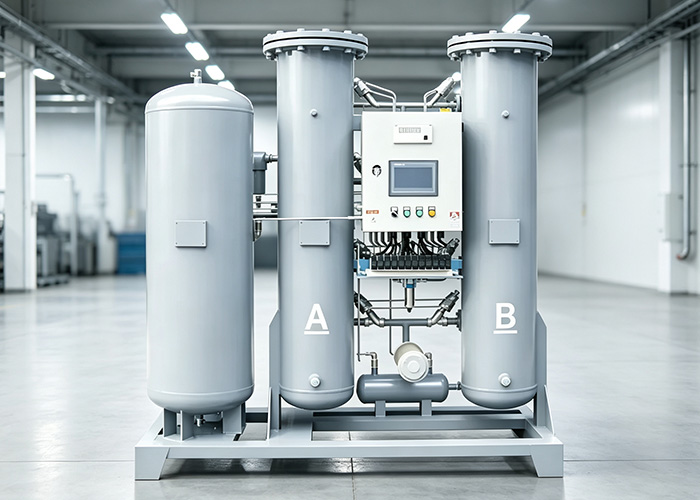
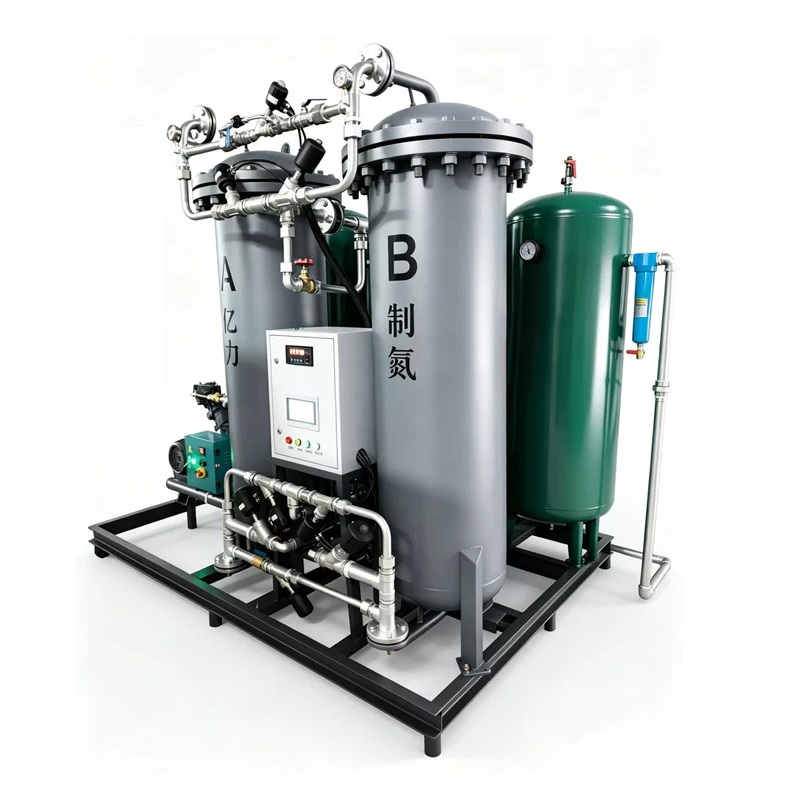
A Nitrogen Generator is an industrial system designed to produce high-purity nitrogen gas on-site by separating nitrogen from ambient air. This technology eliminates dependency on traditional gas cylinders and bulk liquid nitrogen deliveries, offering businesses improved safety, lower operational costs, and greater supply reliability. This article explains how a Nitrogen Generator works, its core technologies, applications across industries, key selection factors, and common challenges users face when adopting nitrogen generation systems.
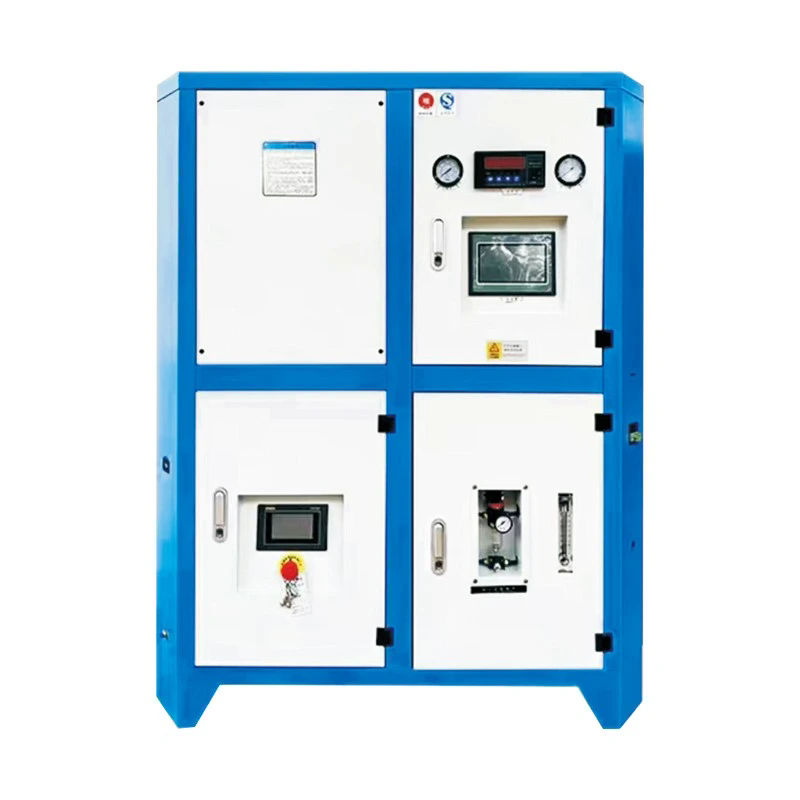
Table of Contents
- 1. Introduction to Nitrogen Generation
- 2. Working Principle of Nitrogen Generator
- 3. Key Technologies Behind Nitrogen Production
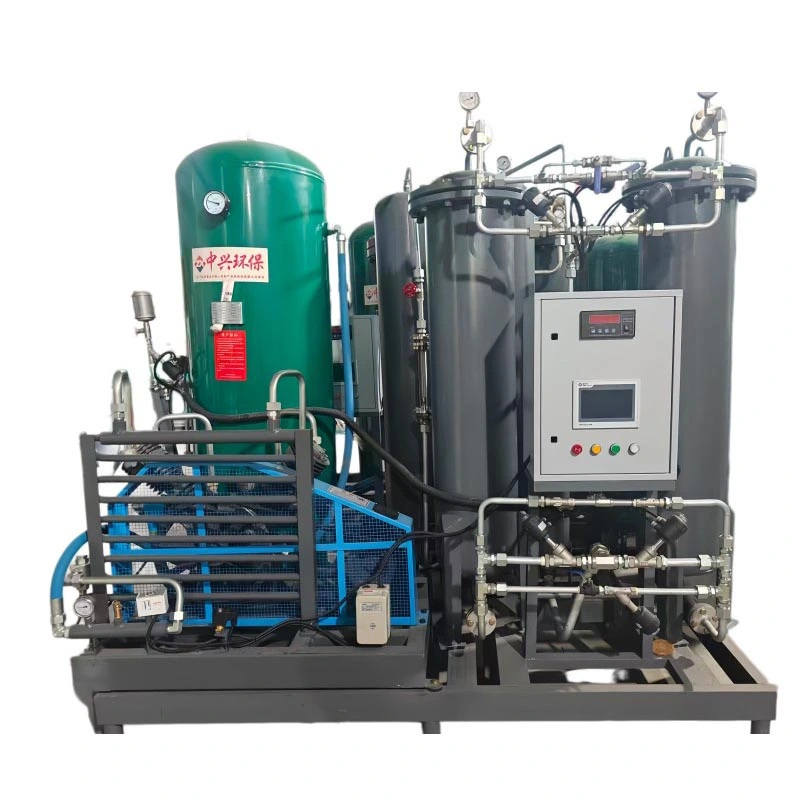
- 4. Main Components of a Nitrogen Generator
- 5. Industrial Applications
- 6. Advantages Over Traditional Nitrogen Supply
- 7. How to Select the Right System
- 8. Comparison Table
- 9. Frequently Asked Questions
1. Introduction to Nitrogen Generation
Nitrogen is one of the most widely used industrial gases, accounting for a significant portion of gas consumption in manufacturing, food processing, electronics, and chemical industries. Traditionally, industries relied on delivered nitrogen in cylinders or cryogenic tanks. However, this approach introduces logistical challenges such as transportation delays, storage hazards, and fluctuating costs.
A Nitrogen Generator solves these issues by producing nitrogen directly from compressed air on-site. This ensures continuous availability, stable purity levels, and reduced dependency on external suppliers.
2. Working Principle of Nitrogen Generator
The core principle behind a Nitrogen Generator is air separation. Since atmospheric air consists of approximately 78% nitrogen, 21% oxygen, and trace gases, the system isolates nitrogen by removing oxygen and other components.
The process typically involves the following stages:
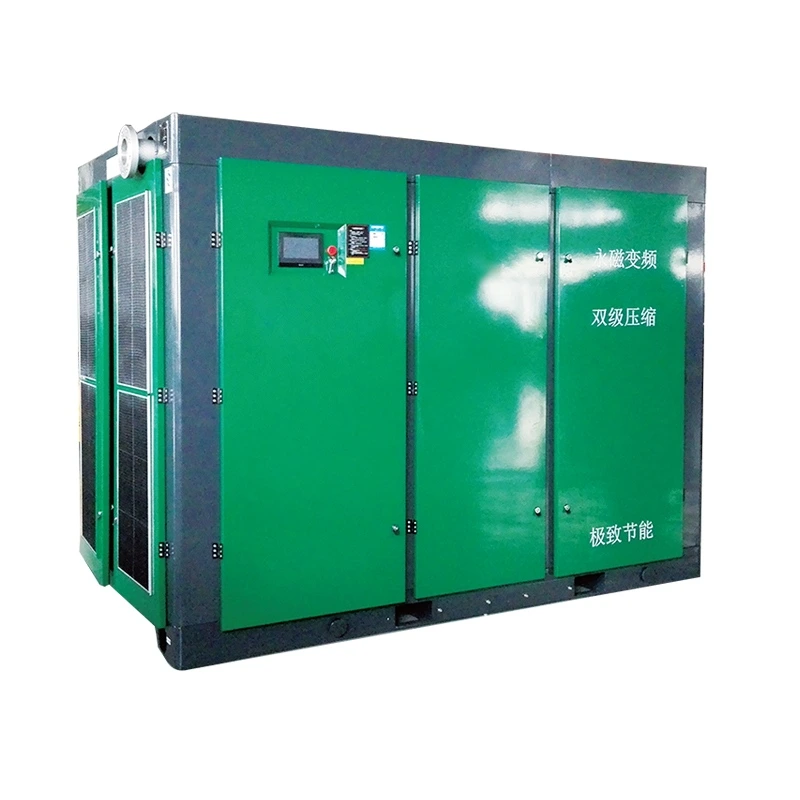
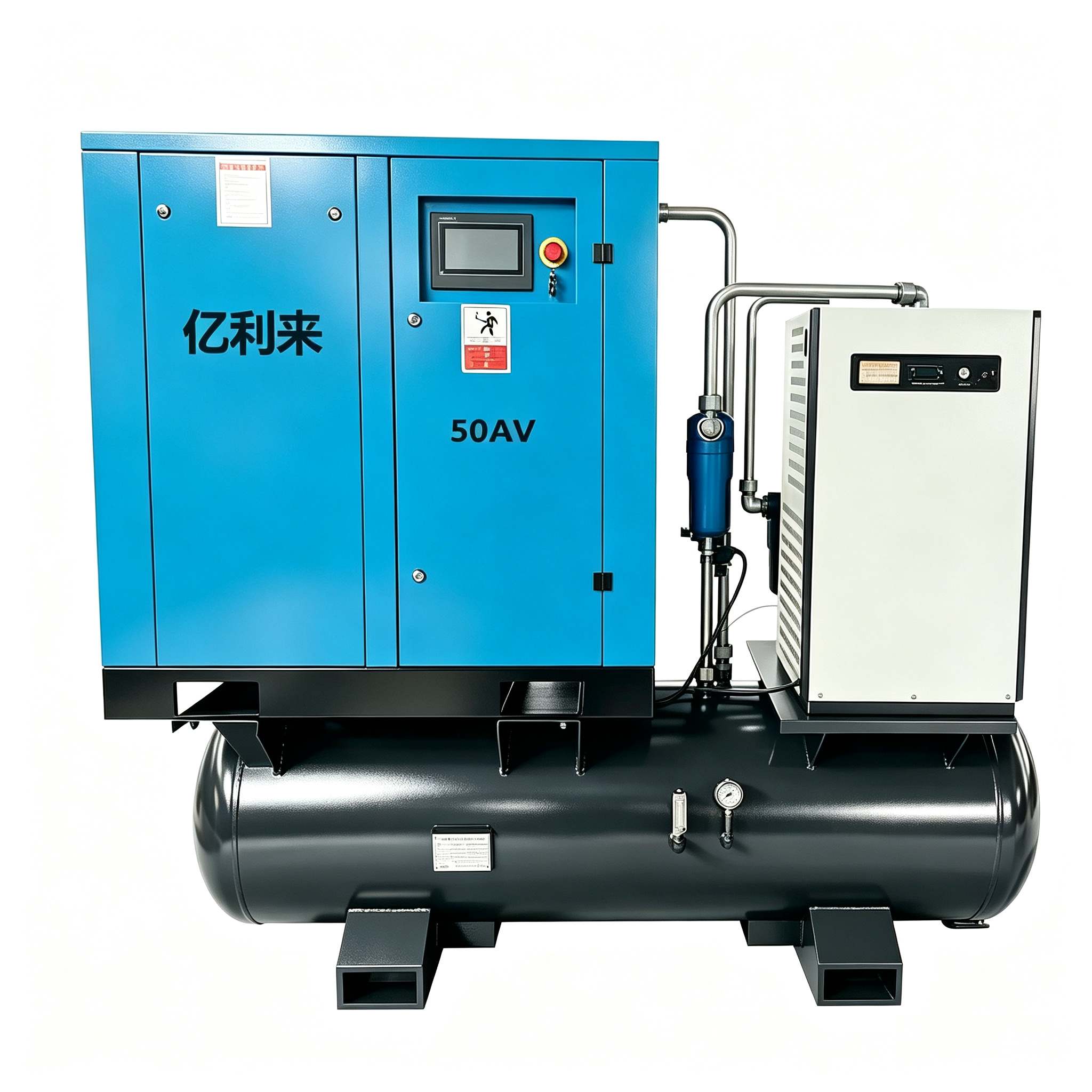
- Air Compression: Ambient air is compressed using an air compressor.
- Filtration: Moisture, oil, and particulate contaminants are removed.
- Separation: Nitrogen is separated using PSA or membrane technology.
- Storage: High-purity nitrogen is stored in a buffer tank for use.
This continuous cycle allows industries to generate nitrogen on demand, ensuring uninterrupted operations.
3. Key Technologies Behind Nitrogen Production
Two primary technologies dominate the nitrogen generation industry: Pressure Swing Adsorption (PSA) and membrane separation.
- PSA Technology: Uses carbon molecular sieves to adsorb oxygen under pressure, releasing purified nitrogen.
- Membrane Technology: Uses hollow fiber membranes that selectively allow oxygen and water vapor to pass through.
PSA systems generally achieve higher purity levels (up to 99.999%), while membrane systems are valued for compact design and simplicity.
4. Main Components of a Nitrogen Generator
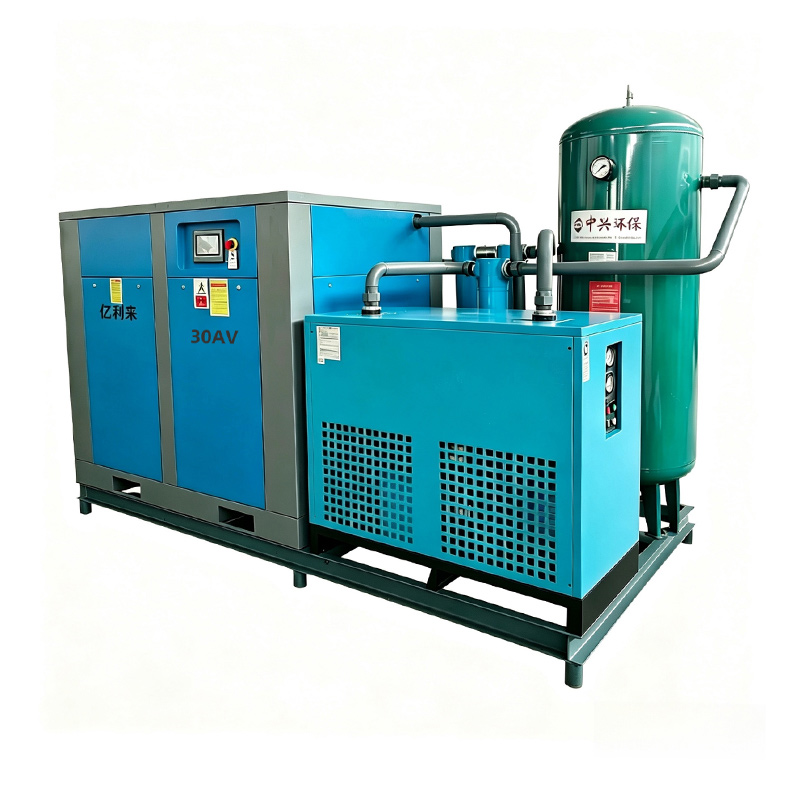
A standard Nitrogen Generator system is composed of several integrated components that ensure efficiency and reliability.
- Air Compressor
- Air Drying System
- Filtration Unit
- Adsorption Towers or Membrane Modules
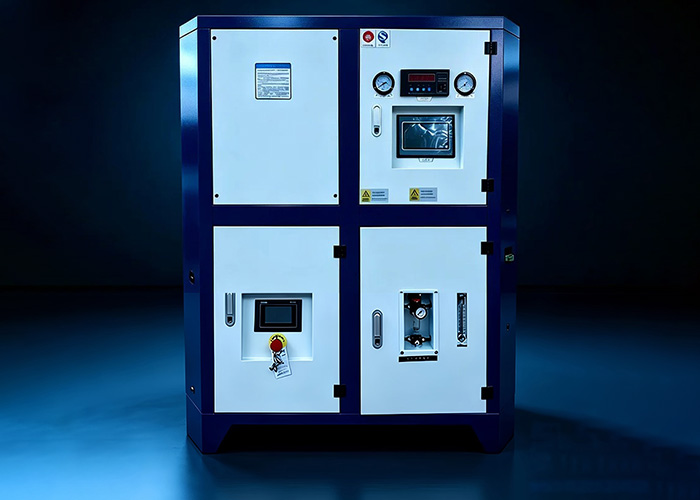
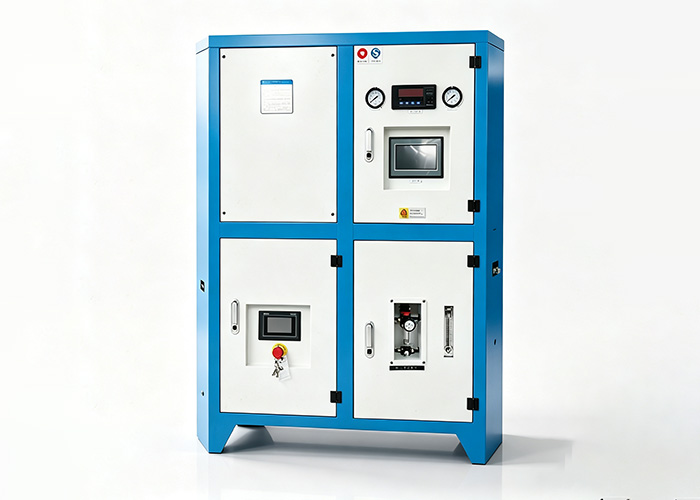
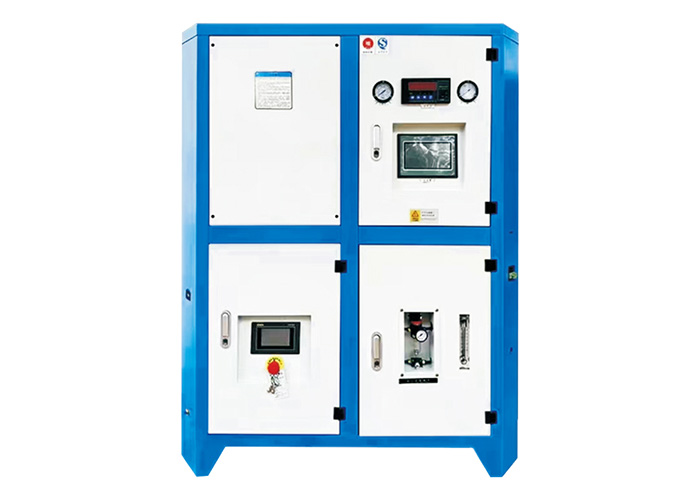
- Control System (PLC)
- Nitrogen Storage Tank
Each component plays a critical role in maintaining gas purity, pressure stability, and operational safety.
5. Industrial Applications
Nitrogen generators are widely used across multiple industries due to their versatility and efficiency.
- Food & Beverage: Packaging, preservation, and oxidation prevention
- Electronics: Soldering and semiconductor manufacturing
- Chemical Industry: Inerting and blanketing processes
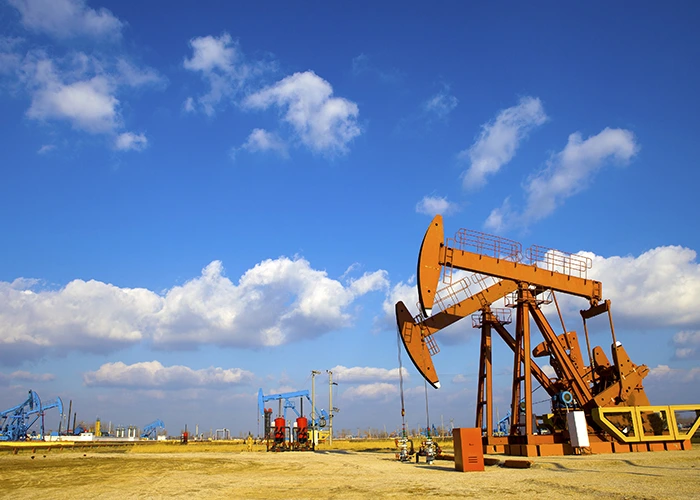
- Oil & Gas: Pipeline purging and tank inerting
- Pharmaceuticals: Sterile environments and drug packaging
6. Advantages Over Traditional Nitrogen Supply
On-site nitrogen generation offers significant operational and financial benefits compared to delivered gas systems.
- Reduced long-term operational costs
- Elimination of cylinder handling risks
- Continuous and reliable gas supply
- Lower carbon footprint due to reduced transport
- Customizable purity and flow rates
These advantages make nitrogen generators a preferred solution for modern industrial operations.
7. How to Select the Right System
Choosing the right Nitrogen Generator depends on operational requirements and industry-specific demands.
- Required Purity Level: Higher purity demands PSA systems.
- Flow Rate: Determines system size and compressor capacity.
- Pressure Requirements: Influences storage and output design.
- Energy Efficiency: Impacts long-term operational costs.
- Maintenance Needs: Simpler systems reduce downtime risks.
Proper evaluation ensures long-term efficiency and return on investment.
8. Comparison Table
| Feature | PSA Nitrogen Generator | Membrane Nitrogen Generator |
|---|---|---|
| Purity Level | Up to 99.999% | Up to 99.5% |
| System Size | Larger footprint | Compact design |
| Energy Efficiency | Moderate | High |
| Maintenance | Periodic adsorbent replacement | Low maintenance |
9. Frequently Asked Questions
Q1: Is on-site nitrogen generation cost-effective?
Yes, it significantly reduces long-term costs by eliminating cylinder rental and delivery expenses.
Q2: How pure can generated nitrogen be?
PSA systems can achieve extremely high purity levels suitable for sensitive industrial processes.
Q3: Does the system require frequent maintenance?
Maintenance is generally minimal and depends on system type and operating conditions.
Q4: Can nitrogen generators run continuously?
Yes, they are designed for continuous operation with proper compressor support.
Conclusion
Nitrogen generators represent a strategic shift in industrial gas supply, moving from dependency on external logistics to self-sufficiency. By producing nitrogen on-site, businesses gain control over purity, availability, and operational costs.
Modern systems are designed for efficiency, scalability, and safety, making them suitable for a wide range of industries. Companies looking to improve production stability and reduce long-term expenses increasingly adopt this technology.
For advanced industrial nitrogen solutions and customized system configurations, Elily contact us to explore tailored Nitrogen Generator systems that match your operational requirements and performance expectations.