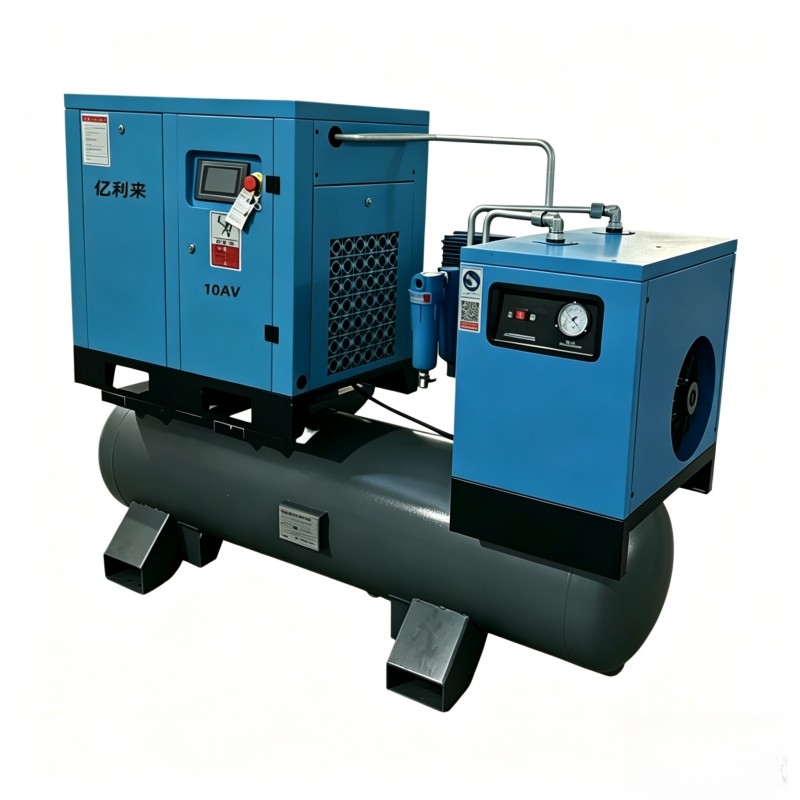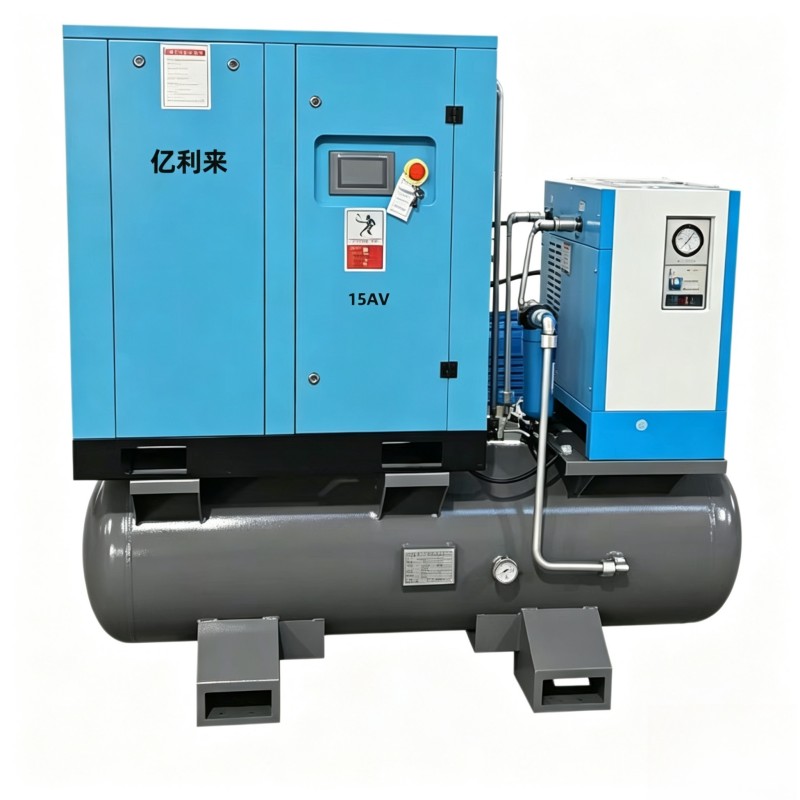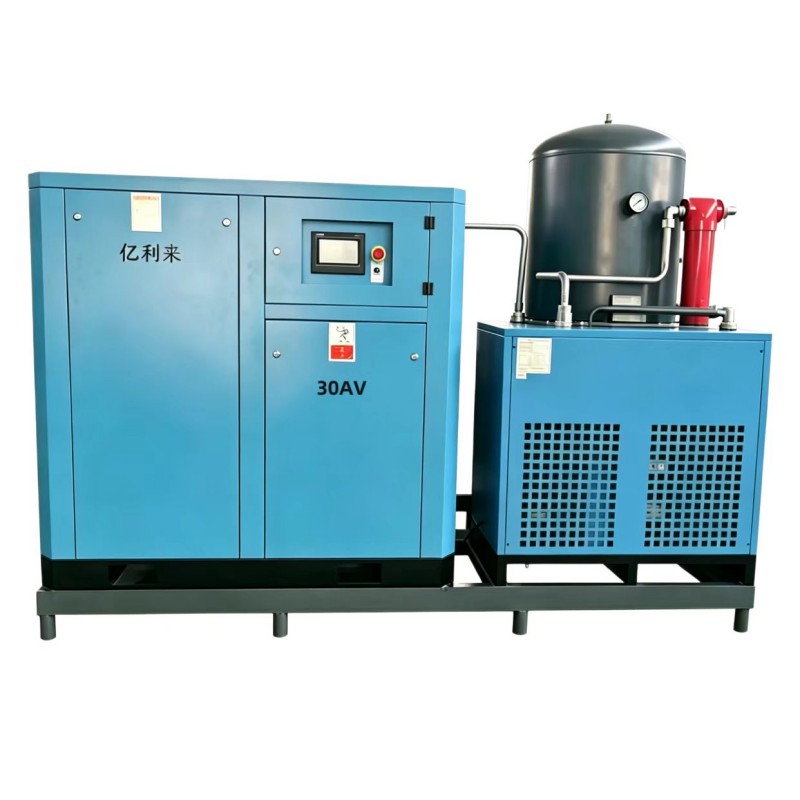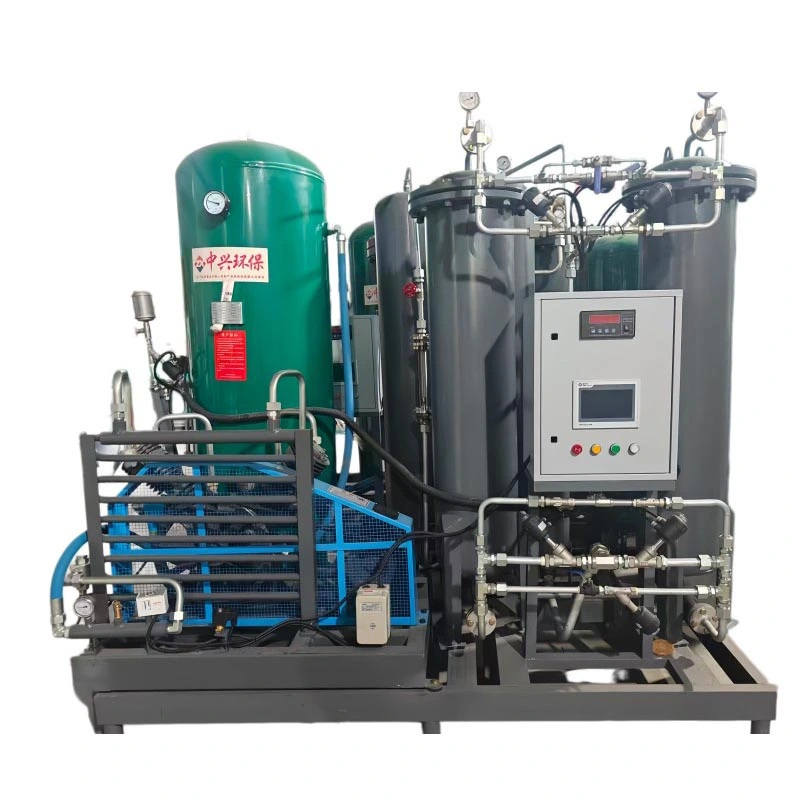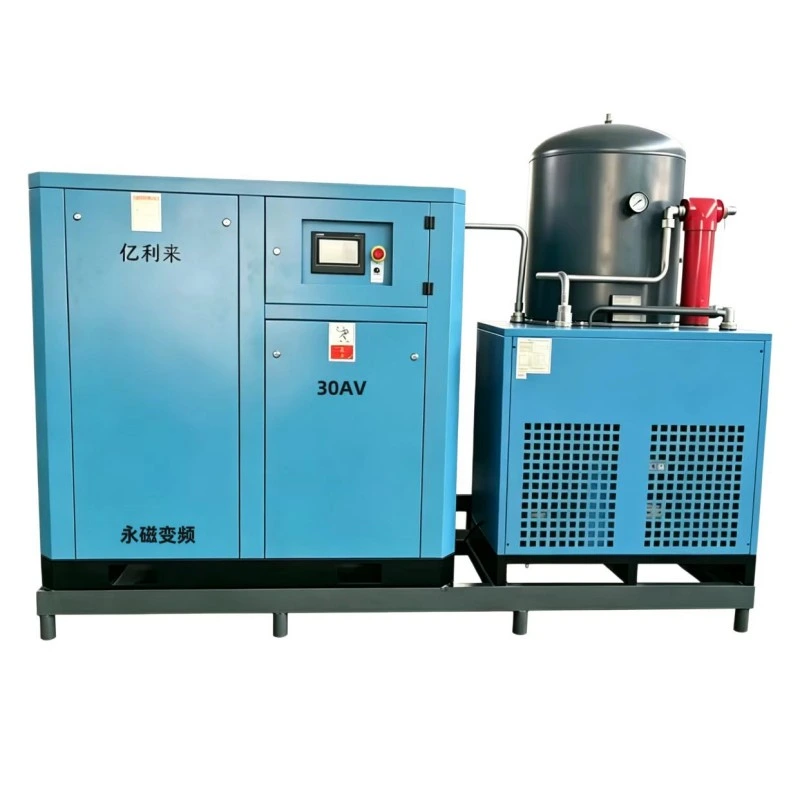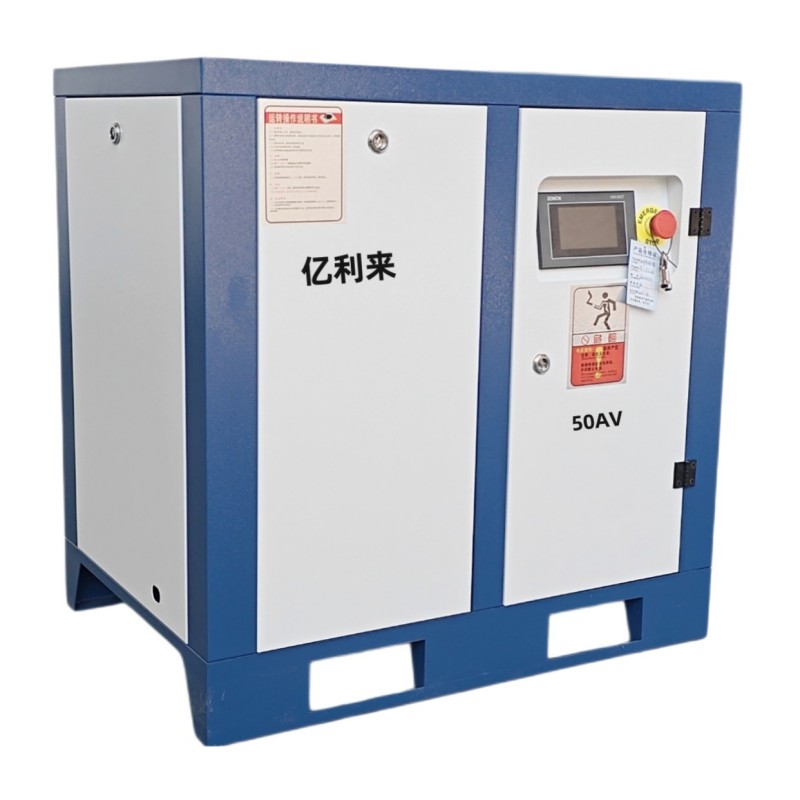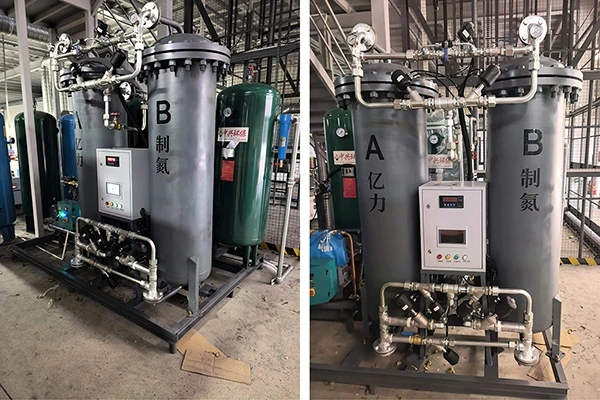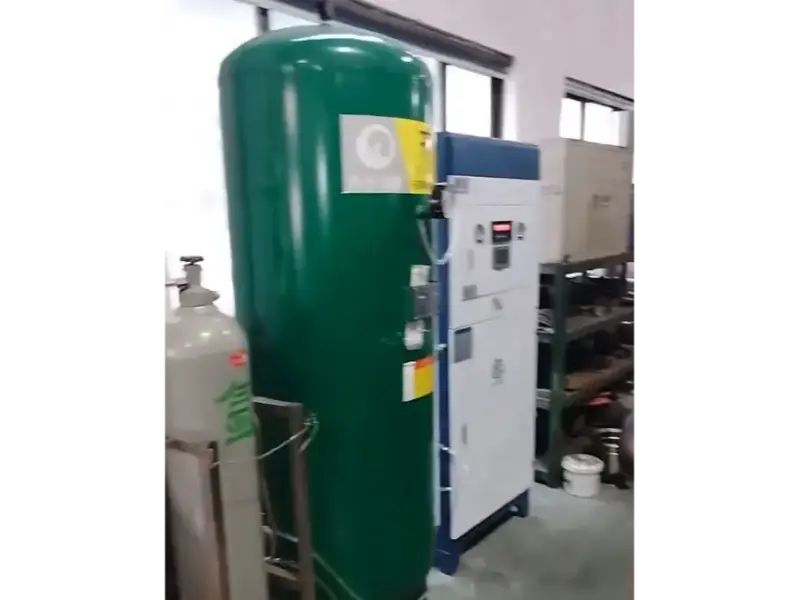

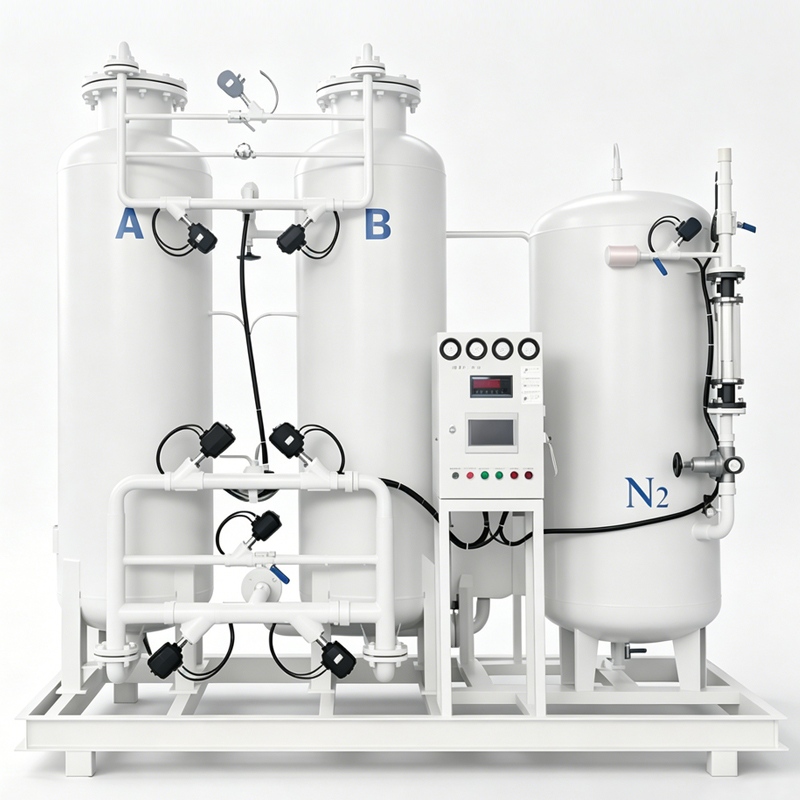
Nitrogen Generator PSA
Oxygen cutting is a method that uses the thermal energy of a gas flame to preheat the workpiece at the cutting location to its ignition point, then directs a high-speed stream of oxygen to burn the metal and release heat, thereby achieving the cut. In detail, the process involves heating the steel surface to its ignition point using a gas flame (known as the preheating flame) and bringing it into an activated state. Then, high-purity, high-velocity cutting oxygen is introduced, causing the iron in the steel to burn in the oxygen atmosphere, forming molten iron oxide slag and releasing a large amount of heat. This combustion heat and the molten slag continuously heat the underlying layers and the front edge of the cut until they also reach the ignition point, extending all the way to the bottom of the workpiece. At the same time, the momentum of the cutting oxygen stream blows away the molten slag, thereby creating a kerf that severs the steel. Thus, on a macroscopic level, oxy-fuel cutting is a combined machining process involving the chemical reaction of iron in steel burning in high-purity oxygen and the physical removal of slag by the momentum of the oxygen jet.
Oxygen cutting, commonly known as oxy-fuel cutting, offers advantages such as simple equipment, flexibility, convenience, and high quality. It is suitable for cutting thick and long scrap steel materials, such as large blocks of scrap steel plates, cast steel components, scrap boilers, and old steel structures. Its flexibility and ease of use are particularly beneficial in dismantling scrap vehicles and old ships, as it is not restricted by limited space or the size of objects, allowing operations to be carried out under any conditions. Besides processing blast furnace charge materials through oxygen cutting, valuable plates, sections, pipes, and other materials can also be cut from scrap steel for reuse in production. Therefore, oxygen cutting is one of the primary methods in scrap steel processing and is widely used in metal recycling today.
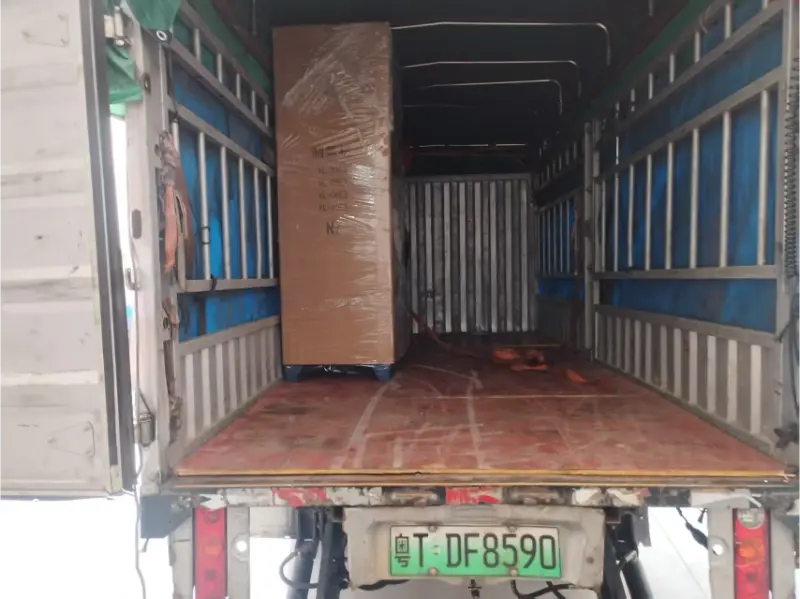
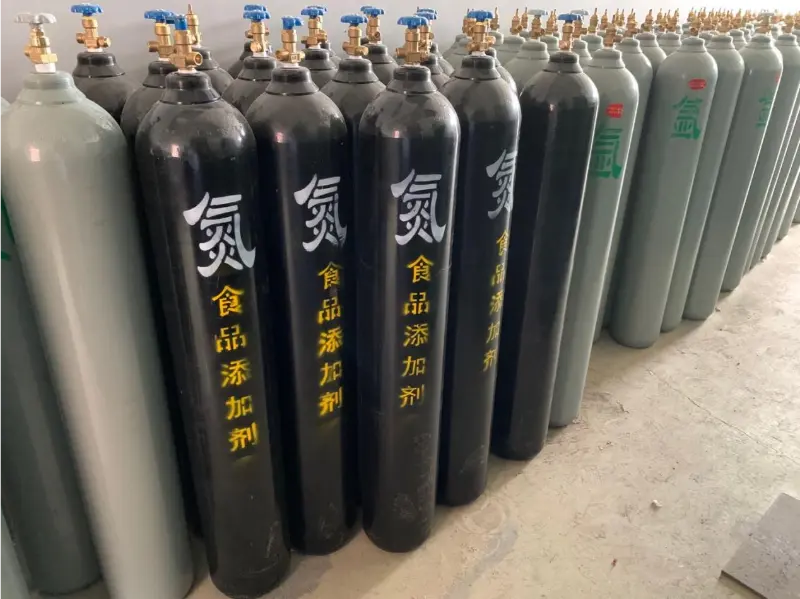
Bottled oxygen and liquid oxygen on the market are relatively expensive and require considerable effort and time, making PSA oxygen generators a better choice.
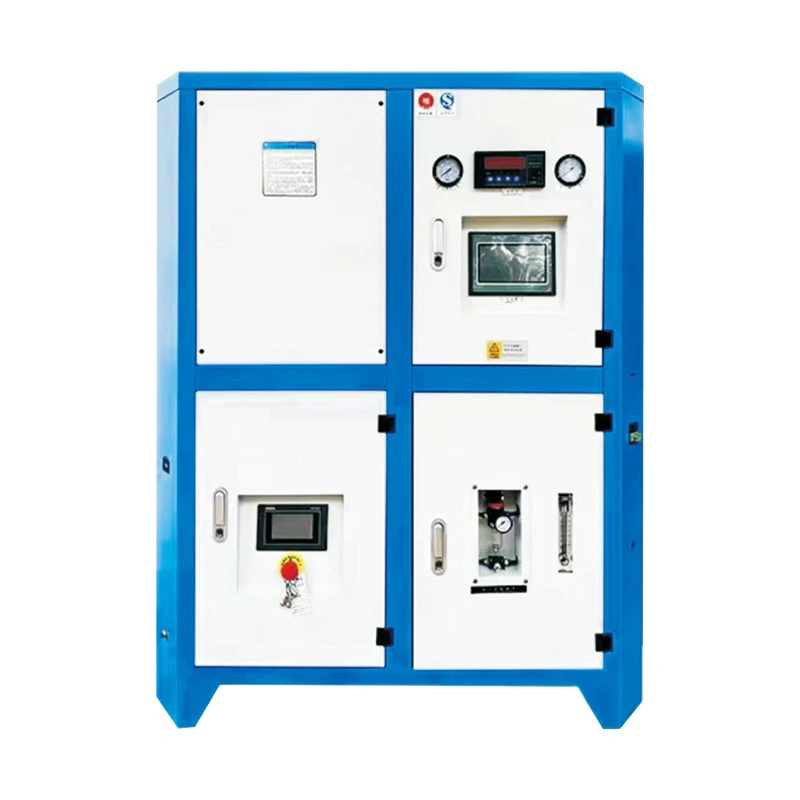
The PSA oxygen generator uses air—an inexhaustible and readily available resource—as raw material, employing zeolite molecular sieves as adsorbents. Based on the principle of pressure swing adsorption, it separates nitrogen from oxygen through the selective adsorption of zeolite molecular sieves. Compared to traditional oxygen generation methods, this system features a simple process flow, high automation level, rapid gas production, low energy consumption, online monitoring of oxygen purity, convenient operation and maintenance, lower operating costs, and strong adaptability. The PSA oxygen generator represents a one-time investment for permanent gas supply, with one-button startup enabling unattended operation, thus saving labor and reducing overall costs.
For more information about PSA nitrogen generators and PSA oxygen generators, please contact: Guangdong Yili Machinery Equipment Co., Ltd.
+86-13928228287 info@yiligasmachine.com
Related News
- Successful Shipment | 5m³ Nitrogen Generator Ready for Delivery to Quanzhou, Fujian
- Guangdong Yili Machinery Equipment Co., Ltd. Successfully Delivered PSA Nitrogen Generator to Customer
- Reputation Drives Trust | Air Compressor Prepared for Shipment from Foshan Factory to Fujian Customer
- Order Delivered on Schedule | All-in-One Air Compressor Fully Assembled and Shipped to Dongguan Client
- Industrial Nitrogen Generator Improves Kettle Welding Quality with Outstanding On-Site Trial Results
- Gas Supply System Commissioning Complete! In-house Air Compressor & Nitrogen Generator Paired with RayTools Laser Cutting Head—Elevating Galvanized Sheet Cutting Quality
Leave me a message